
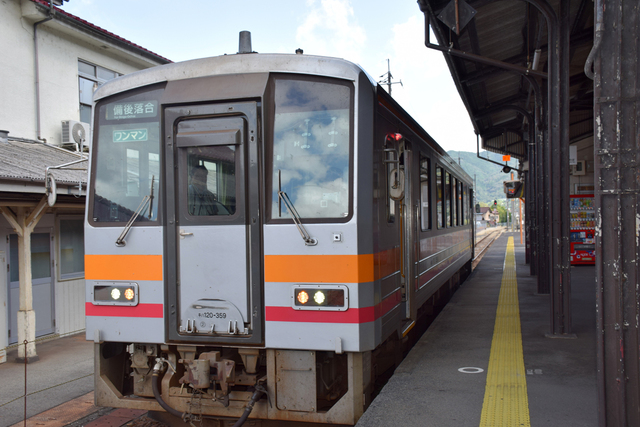
Japan's JR Railways continues to grapple with routes incurring heavy financial losses. The Advisory Council on Transport Policy will determine the survival of these loss-making routes throughout the year. This decision impacts not only the company's financials but also the residents' commute in regions where these lines operate. Cancellation could seriously restrict regional mobility; however, if they continue, the financial burden could be unsustainable, creating a complicated issue for all stakeholders.
In Japan, railway transportation plays a significant role in both urban and regional areas. Therefore, the potential termination of these loss-making routes ignites a passionate debate. For many local regions, these railways are more than just a transportation method; they serve as a lifeline that connects people, supports the regional economy, and maintains social functions. As such, the continued operation or termination of these routes is a pressing social issue, closely linked with other issues like rural revitalization.
Similar to the Dilapidated Infrastructure issue in the US, where many regional railway lines are in the red, discussions focus on how the public sector should subsidize such infrastructure. While in EU, regional rail transport also faces financial challenges. The main difference lies in the policy options, where EU member states have committed to supporting regional asset maintenance and continuity of services, resonating with their emphasis on mobility rights.