
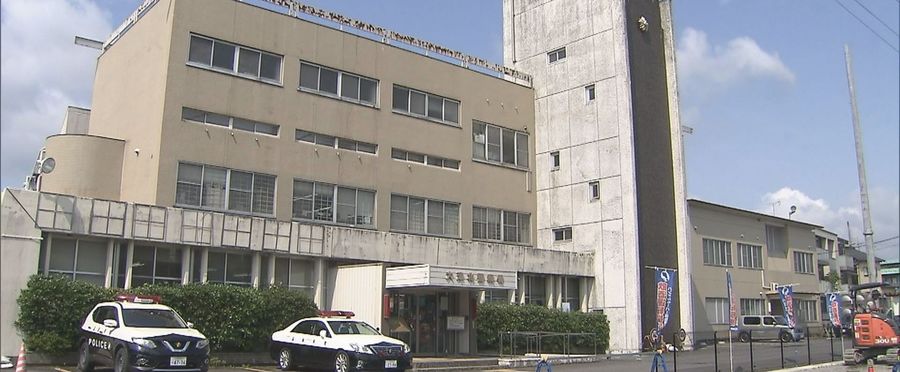
In a disturbing unfolding of events, Japanese police recently arrested a brother and sister on suspicion of abandoning the corpse of their deceased mother. The intricacies of this morbid discovery are shrouded in mystery, as authorities piece together the timeline leading to the purported crime. The victims’ home and its surroundings have turned into the epicenter of relentless investigations. The incident brings forth troubling questions on familial responsibility, societal apathy, and the country's care for the elderly.
Given the prevailingly high regard for elderly in Japanese culture, cases like this spark widespread attention and evoke powerful societal reactions. The issue intersects not only individual accountability and familial loyalty, but also pertains to broader societal matters, like adequate elderly care, which is under increasing scrutiny as Japan grapples with a rapidly ageing population.
In contrast with Japan, where familial obligation traditionally plays a pivotal role in the care of elderly family members, the US and EU broadly rely on state-funded or private old-age homes, coupled with professional nursing care. Incidents of neglect in these regions often spark serious discussions about regulatory standards, caregivers' pay, and mental health support.