
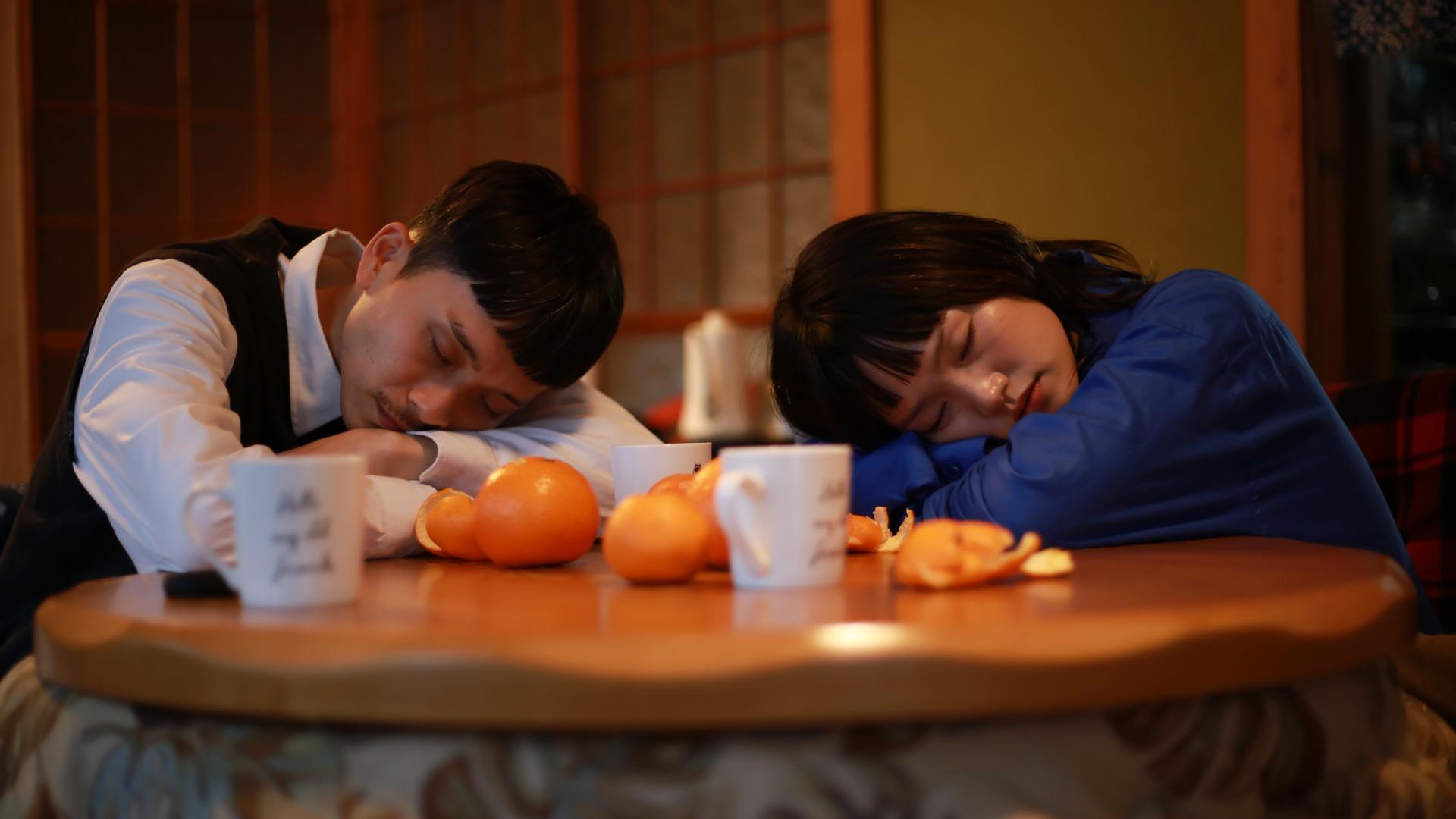
This headline addresses a growing health concern in Japan during the cold months: the "Kotatsu Thrombosis." The kotatsu, a heated table found in many Japanese households, encourage long sedentary periods, which can result in deep vein thrombosis (DVT). Public health warnings are being raised about the condition, characterized by painful symptoms in one leg due to blood clots from prolonged sitting. Experts advise regularly moving about, despite the comfort kotatsu bring in winter.
In Japan, where the kotatsu is a cultural icon, this news holds significance. Japanese households rely heavily on kotatsu during winter, sometimes spending hours underneath it. It's common to eat, sleep, and work at the kotatsu during these months. Consequently, this raises health concerns, leading to warnings from the health community. The values involved center around personal health awareness alongside treasured cultural practices.
The concept of "kotatsu thrombosis" is similar to "economy class syndrome" in the US and EU, a term used to describe deep vein thrombosis resulting from long-haul flights. Just as awareness and preventive measures for the latter are encouraged, a similar approach is needed for the former in Japan.