
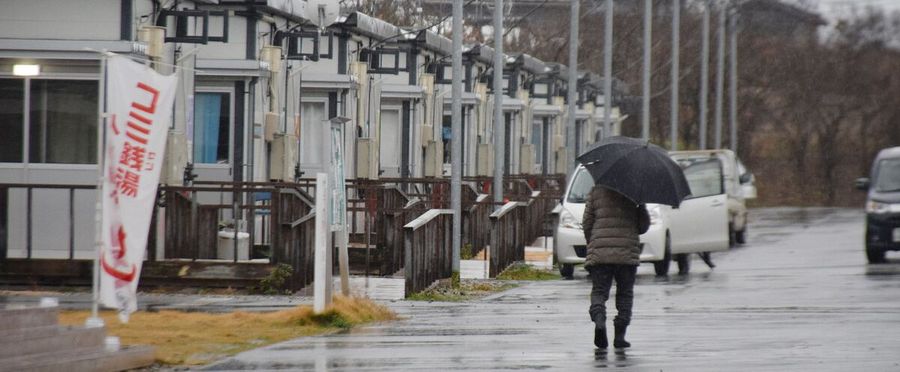
Nearly two years since the Noto earthquake in Japan, over 18,000 people continue to live in temporary housing. Many of these residents had their homes destroyed by the disaster, with reconstruction efforts still ongoing. Despite the government's commitment to rebuilding, the pace of construction has been slower than expected, leaving a sizeable portion of the affected population in a state of prolonged displacement.
Japanese society is generally proactive and resilient when it comes to handling natural disasters like earthquakes. The government swiftly organizes relief efforts and temporary housing for those displaced. However, the speed of reconstruction and permanent resettlement is always a point of concern. Satisfaction with the government's response varies, and the continued plight of those in temporary housing can lead to criticism and calls for reform.
In the US or EU, responses to large-scale disasters also typically involve prompt relief efforts, with government agencies providing temporary shelter and aid. However, the timeline and management of long-term recovery, including reconstruction of homes and communities, may differ depending on government policies, available resources, and the extent of the damage.