
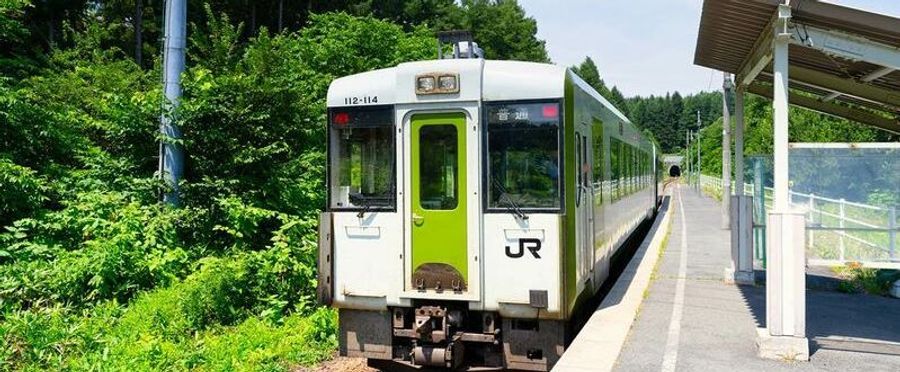
Japan Railways (JR), the country's main railway company, finds itself in a growing standoff with regional governments over deficit-stricken routes. The sectors in question are not profitable due to decreased ridership, especially in rural areas; thus, JR is considering stepping away from maintaining these lines. This has incited backlash from local governments who argue that these routes are vital for regional connectivity and local economies.
In Japan, the intertwining of transportation and community, especially villages and small towns along the railway line, is deeply ingrained. Local lines are seen not only as connectivity devices but also as symbols of regional identity. The possible closure of such routes is viewed as a blow to the communities that depend on them, hence the tension between JR and local governments.
In the U.S. and EU, maintaining unprofitable but essential infrastructure typically involves a blend of federal and local funding, alongside private sector involvement. There is typically a strong drive towards finding innovative solutions to keep these services running while limiting financial losses, such as public-private partnerships, subsidies, or local tax-funded support. The controversy in Japan displays similar dynamics.