
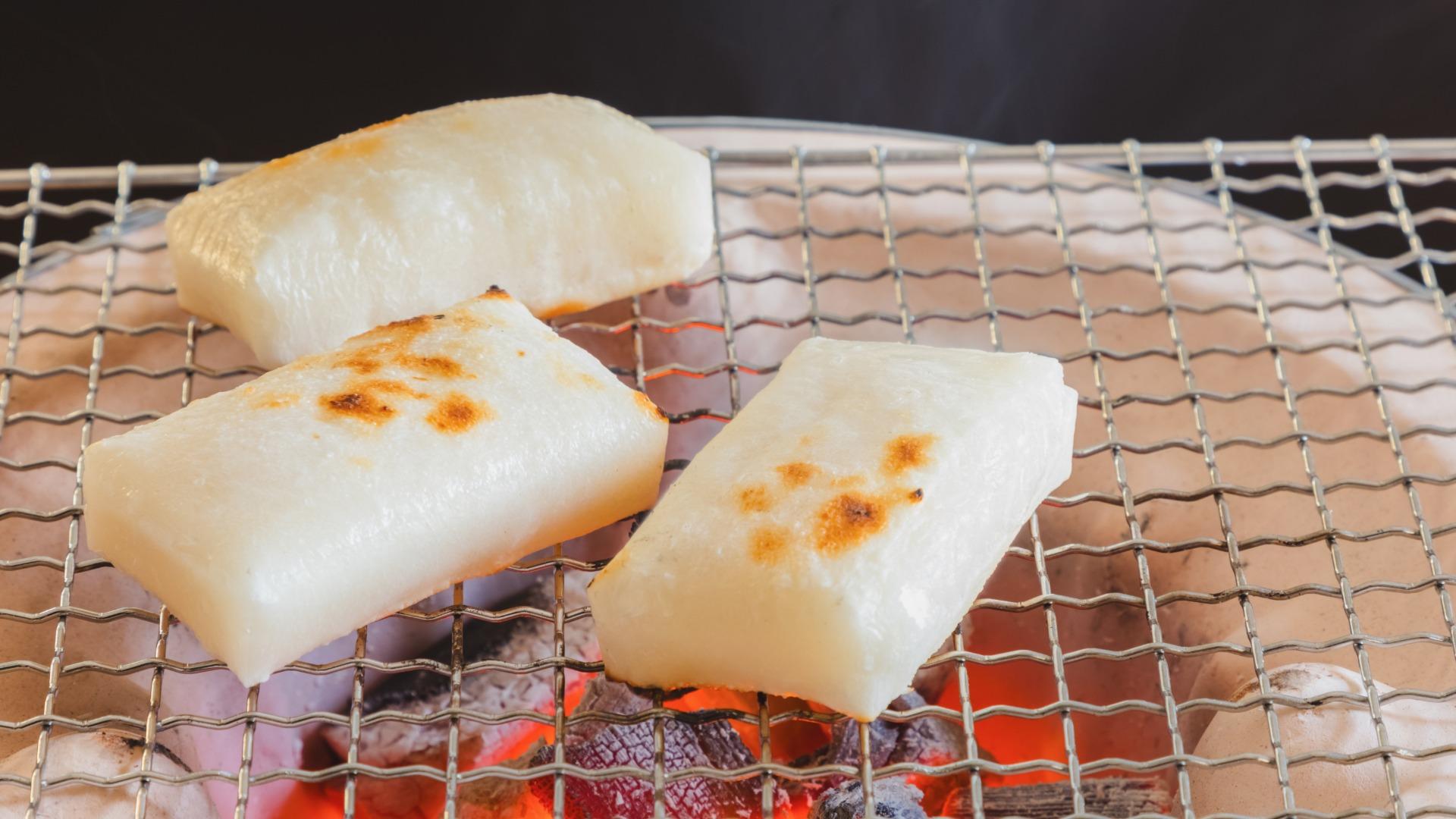
As Japan embraces its traditional New Year celebration, an unexpected health risk looms, often referred to as "Mochi Ileus." This term characterizes the blockage of the digestive tract due to the consumption of mochi, a sticky rice cake popular during the festivities. Symptoms may include abdominal pain and vomiting. Amidst the celebration, authorities warn individuals, particularly the elderly and children, on the safe consumption of this sticky delight.
Mochi is a significant part of Japanese new year tradition, symbolizing longevity and prosperity. However, it has been a matter of public health concern due to the associated risks of choking or digestive obstruction, especially among the vulnerable population. Hence, there is an annual drive for increased awareness and food safety measures during this period.
This is akin to health warnings issued in the US around Thanksgiving concerning the risks of undercooked turkey leading to salmonella, or the hazards of seasonal treats such as candy apples causing tooth damages or choking hazards during Halloween.