
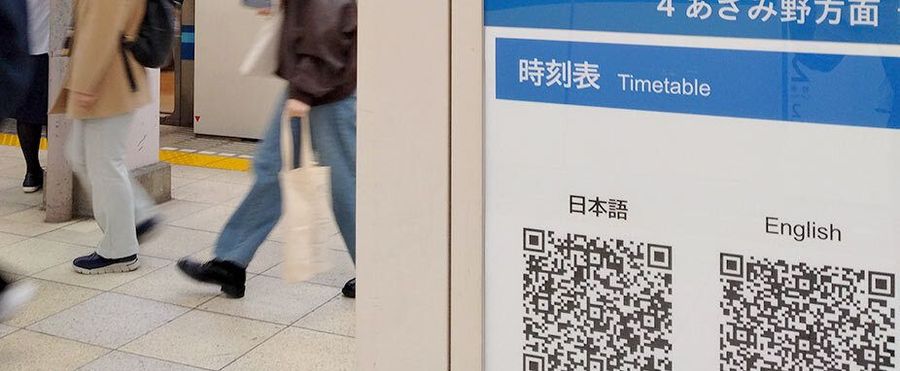
Amid modernization efforts, Japanese rail companies are progressively digitizing their platform timetables causing increasing dissatisfaction amongst its daily commuters. As they struggle to adapt to the digital interfaces, passengers express discontent with the disappearing conventional, paper timetables at train stations. These changes are causing minor disruptions to the punctuality revered in Japanese public transportation.
Train travel is deeply embedded in the lifestyle of Japanese people, with the railway system respected for promptness and efficiency. The move towards digital displays reflects Japan's continuous drive towards technological advancement. However, the removal of traditional paper timetables has stirred distress among passengers, underlining a community concern for accessibility and user-friendliness, especially among the older population who finds digital interfaces challenging.
In the US and EU, digital systems for providing passenger information at stations have become the norm. While there was initial resistance during these transitions, widespread use of smartphones has dramatically cut down on these objections. However, it's essential to maintain accessible tools for all users, demonstrating the importance of a balanced introduction of new technology.