
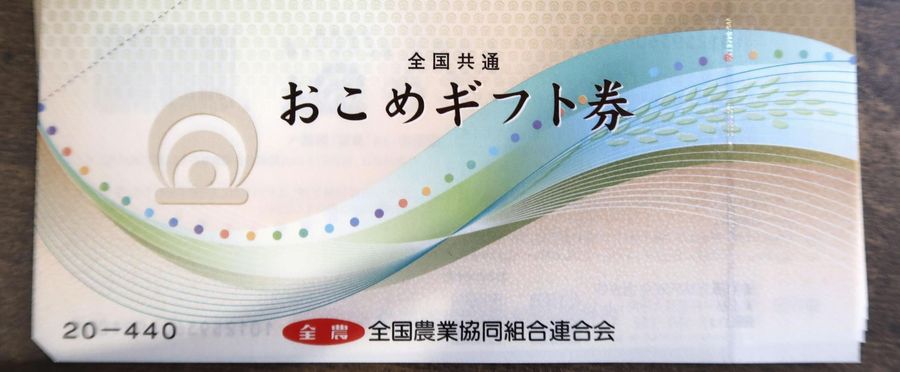
Amid growing logistical concerns, the distribution of rice tickets in Japan has reverted to a traditional hand-deliver method. While online orders and deliveries are the norm, the decision to switch to manual delivery aims to ensure that every recipient receives their rice tickets without delays or losses, especially in rural areas. This decision reflects the severity of the transportation issues impacting Japan's crucial food distribution system.
In Japan, rice tickets or "Okomeken" is part of the country's food policy where underprivileged citizens receive vouchers that can be exchanged for rice. The delivery of these tickets is of high social importance. With the recent logistic concerns, there is worry regarding the timely distribution of these tickets, particularly to rural or elderly populations who rely heavily on this service.
Similar to issues faced in the US or EU over food stamp delivery, the concern revolves around ensuring these essential aids reach their intended receivers unhindered. In places like the US, most food aids have transformed into electronic benefits transferred straight into the receiver's account to reduce the chance of delivery problems.