
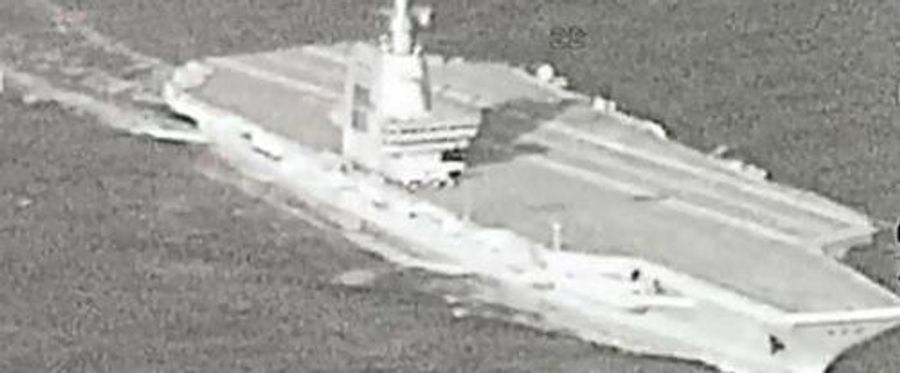
Reports suggest that China is making strides in developing its first ever nuclear-powered aircraft carrier, marking a significant shift in the balance of maritime power in the Pacific region. The exact timeline and details of the project are still unclear. However, the impact of this development could be profound, as it strengthens the Chinese military's presence and influence, potentially causing ripples in the existing geopolitical order.
With Japan being a major player in the Pacific region, the construction of China's nuclear-power aircraft carrier is of strategic concern, in relation to national security and balance of power dynamics. Japan's post-World War II constitution renounces war as a means to settle international disputes, putting emphasis on self-defence. This development may fuel discussions about Japan's military policy and potential rearmament.
Unlike the US and EU, Japan maintains a uniquely pacifist stance in military matters, with a carefully calibrated defence policy. In contrast, the US possesses multiple nuclear-powered aircraft carriers and continues to play a proactive role in maintaining international security. Similarly, nuclear nations within the EU have robust military capabilities, though none currently possess a nuclear-powered aircraft carrier.