
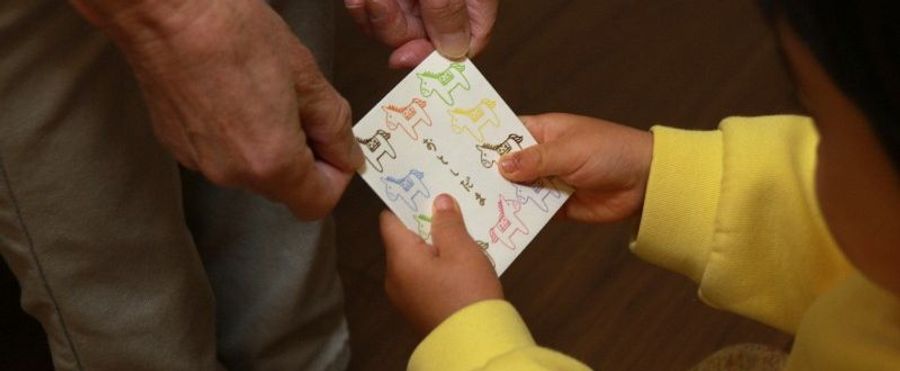
The news revolves around the traditional practice in Japan called Otoshidama, where adults give children money as New Year's gifts. Some children are upset about receiving what they believe to be "small" amounts, sparking discussions about how adults should respond. Debates are primarily centered around promoting positivity and not reprimanding children for their honest reactions. The overarching aim is cultivating understanding and gratitude in Japanese youth for this long-standing tradition.
Giving Otoshidama is a deeply ingrained practice in Japan. Adults, particularly parents and relatives, give money to children during the New Year and the sum usually increases as the child grows older. The amount can be a sensitive topic, and the reaction of children can create interesting dynamics and debates within families. The focus of the Japanese public on such matters illustrates the societal emphasis on balance between respect for tradition and the evolving nature of societal norms.
Like the Christmas gifting culture in the US and EU, the spirit of generosity and imparting financial responsibility to youngsters is a shared value. However, the way children are taught to express gratitude or dissatisfaction may vary. In the West, it's common to teach children to express thanks regardless of their personal feelings about a gift, while in Japan, an honest response might be more accepted.