
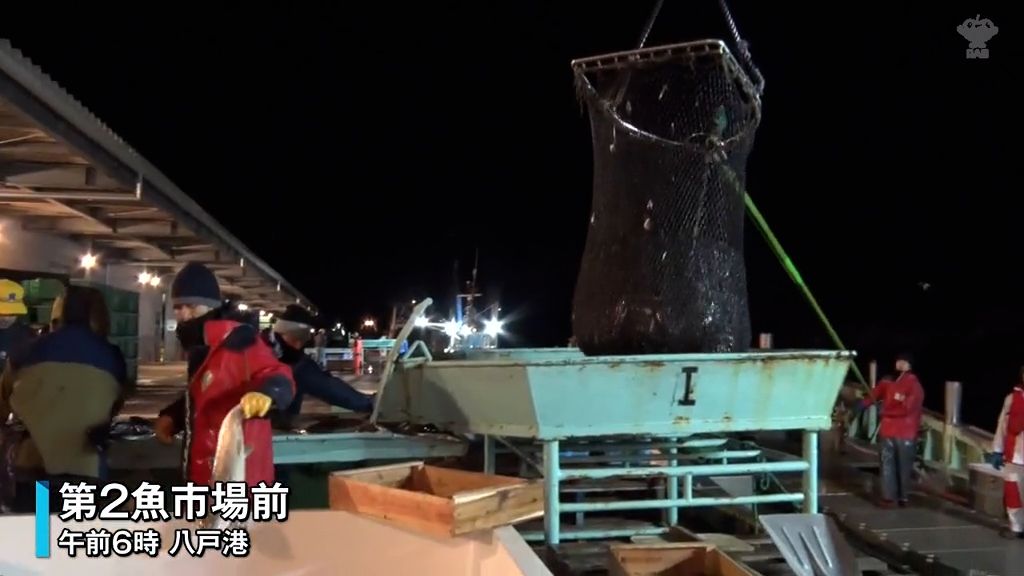
Hachinohe Port, a key fishing hub in Japan, is confronting its severest fishing deficit since 1945. The lackluster seafood haul is negatively impacting the local economy and disrupting the supply chain. Factors causing this unprecedented slump are yet unclear, prompting intense investigations from concerned authorities. While emergency measures are being implemented, the community is bracing for a challenging economic landscape.
The fishing industry holds significant importance in Japan, being a major source of livelihood and contributing to the local diet and economy. Socially, fishing communities are integral and time-honored segments of Japanese society. Moreover, seafood plays a vital part in Japanese cuisine, affecting restaurant businesses. These factors make the decline at Hachinohe alarming.
Fishing scarcity is similarly impactful in the US and EU, driving economic changes, job losses, and alterations in food habits. Just like Japan, agencies within the US/EU would take stringent measures to understand and address the underlying causes. However, the demographic effects might differ based on the percentage of population or business sectors dependent on fishing.