
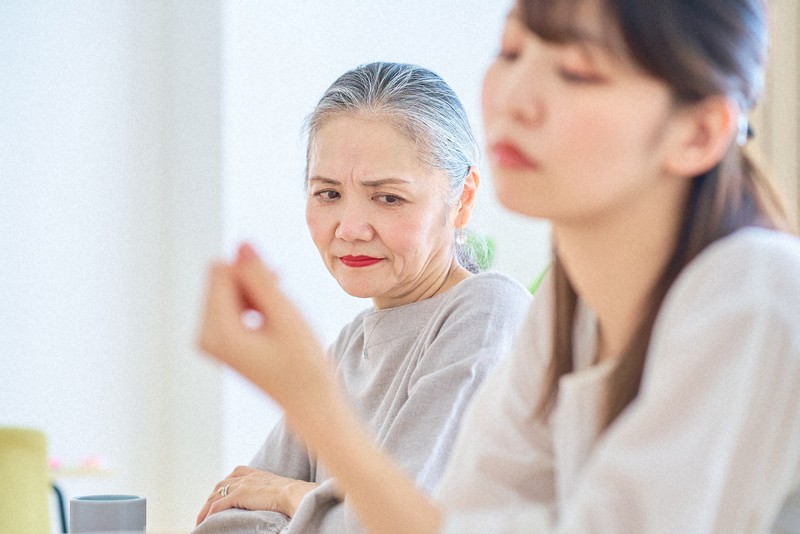
In Japan, a new movement known as "Separate-homecoming" is becoming increasingly popular. A 'homecoming' typically involves travelling back to one's hometown especially during festive seasons such as Obon and New Year Holidays. The ‘separate-homecoming’ means that family members head home at different times, instead of traveling all together in one group. This cultural shift is reported to be due to changes in work schedules and economic circumstances, and also as a method to reduce the risk of spreading infections during ongoing pandemic times.
Homecomings are usually considered important family occasions in Japan. They reinforce the familial ties and uphold the cultural tradition of maintaining close relationships with one's extended family and ancestors. However, with the increased demands of modern life and the current health crisis, these traditions are evolving as different family members choose to travel separately.
In the US and EU, homecomings are less formal and seldom involve the whole family heading back to the ancestral home. Family reunions or gatherings are generally scheduled per convenience, unlike in Japan where they are traditionally held during specific holidays. During pandemic times, similar strategies such as staggered or separate visits may also be practiced to minimize the risk of infection.