
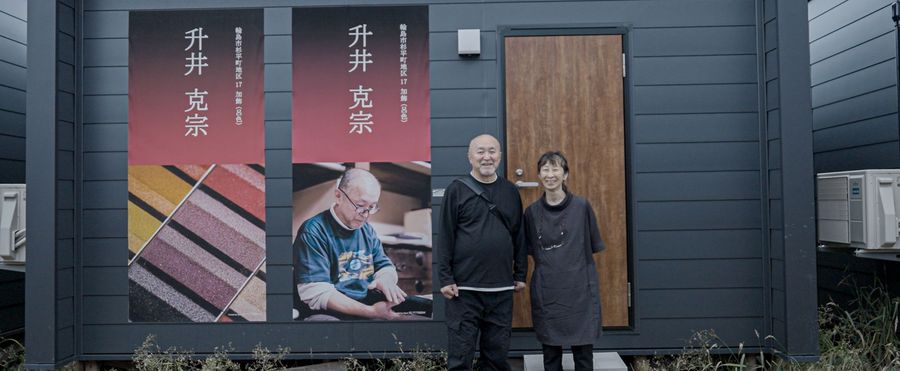
In the heart of Japan's Ishikawa Prefecture, a couple has committed themselves to the preservation of Wajima's traditional lacquerware skills. The handmade craft, known as "Wajima-nuri," carries a long heritage integral to local culture. Amidst the backdrop of an increasingly digitalized world, the couple's endeavors aim to ensure the survival and progression of this historic art form. Through their training of successive generations, they perpetuate not only an ancient skill but also the soul of their community.
Wajima-nuri, a traditional craft of Japan, is highly valued within the country for its relationship to heritage and history. The cultural importance of preserving traditional craft skills is highly recognized in Japan, as these forms are seen as critical parts of Japan's cultural identity. The story resonates with the public's appreciation for tradition and craftmanship.
In the US and EU, the preservation of traditional arts and crafts varies significantly with cultural and historical contexts. In some areas, similar efforts are made to maintain traditional skills and crafts, but these do not always receive wide recognition or support. This largely depends on individual regions' emphasis on cultural heritage and their local communities' values.