
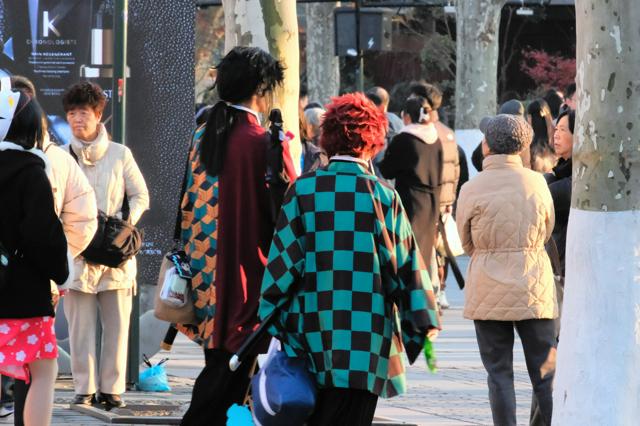
In a surprising development, China's version of "Comiket," the world's largest self-published comic book fair, seems to be absent of any recognizable Japanese elements. This comes despite Comiket's roots steeped deep in Japanese pop culture. There is no clear indication as to why these Japanese elements have disappeared, raising questions on potential cultural assimilation or censorship issues.
Inside Japan, this is being perceived as a loss, since Comiket has always symbolized the global influence of Japanese popular culture, namely anime and manga. This may signify changes in cross-cultural dynamics and perceived dilution of Japan's cultural influence. In a country that highly values its culture, these disappearing elements are prompting debates about cultural appropriation and preservation.
In the US or EU, the disappearance of native cultural elements in an international version of a domestic cultural event would spark conversations about cultural representation and authenticity. It is not uncommon for controversies to arise when domestic cultures are misrepresented or overshadowed in international adaptations.