
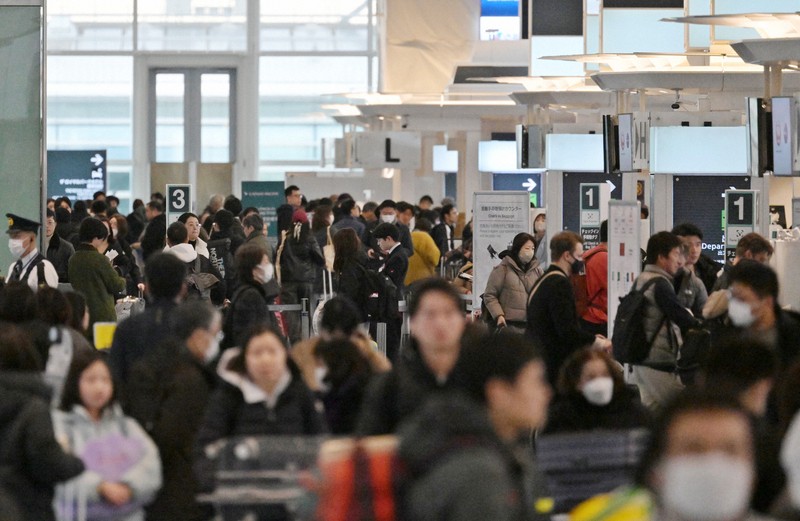
Japan gears up for the annual phenomenon known as "Homecoming Rush", as seen in the serpentine queues of outbound passengers at Haneda Airport. Traditionally observed around the New Year, the rush is characterized by overwhelming numbers of city-dwelling individuals returning to their hometowns. The efficient handling of the massive influx of passengers forms a crucial part of Japan's holiday preparations.
In Japan, the homecoming rush or "Kisei rush" is a socially significant phenomenon, deeply tied to the values of family unity and year-end traditions. The Japanese greatly care about spending the holiday season with their family, often overcoming packed trains and crowded airports. Handling this rush efficiently and smoothly reflects not only logistical prowess but also perseverance of societal values.
Similar in part to American Thanksgiving or Christmas holiday travel, Japan's homecoming rush brings a surge in travel demand but differs in tying it to celebrating New Year's with hometown family. Both, however, reflect the shared human ties of family, tradition, and festivity. The efficiency with which Japan handles the rush, given its large population density, is often recognized in international realms.