
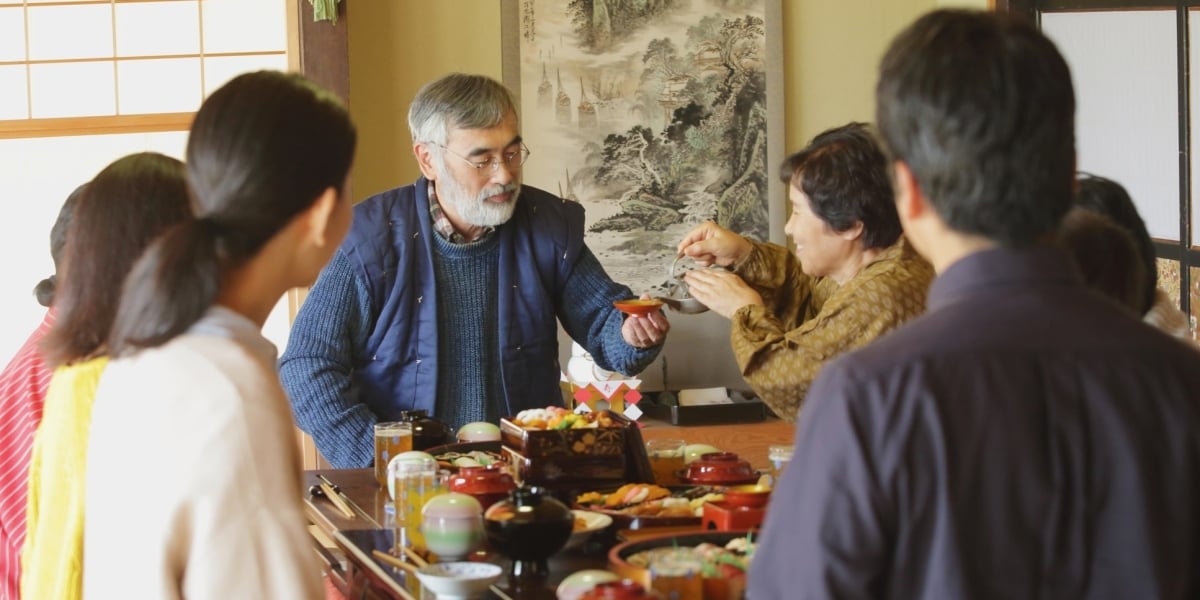
The report discusses the growing debate around the traditional Japanese practice of spending New Year's Day at the husband's family home. The topic has stirred controversy, with some arguing that forcing this tradition could be considered emotional harassment, or "moral harassment" (commonly known as "Moral Harassment" or "Mora Hara" in Japan). The discussion is fueled by changing family dynamics, gender roles, and societal expectations in contemporary Japan.
In Japan, tradition holds significant importance, and the practice of spending New Year's Day at the husband's family home is no exception. However, the notion of "Moral Harassment" or "Mora Hara" has been gaining traction, leading to more scrutiny of family traditions. Such debates reflect larger shifts in social norms regarding gender roles, family dynamics, and the emotional welfare of individuals in Japanese society.
In the US or EU, traditions vary greatly depending on cultural or regional background. However, most societies value individual choice and freedom. Cases of undue pressure or forced tradition can often be argued as emotional abuse. Laws and societal views also tend to support the individual's right to choose their traditions and the right to mental peace.