
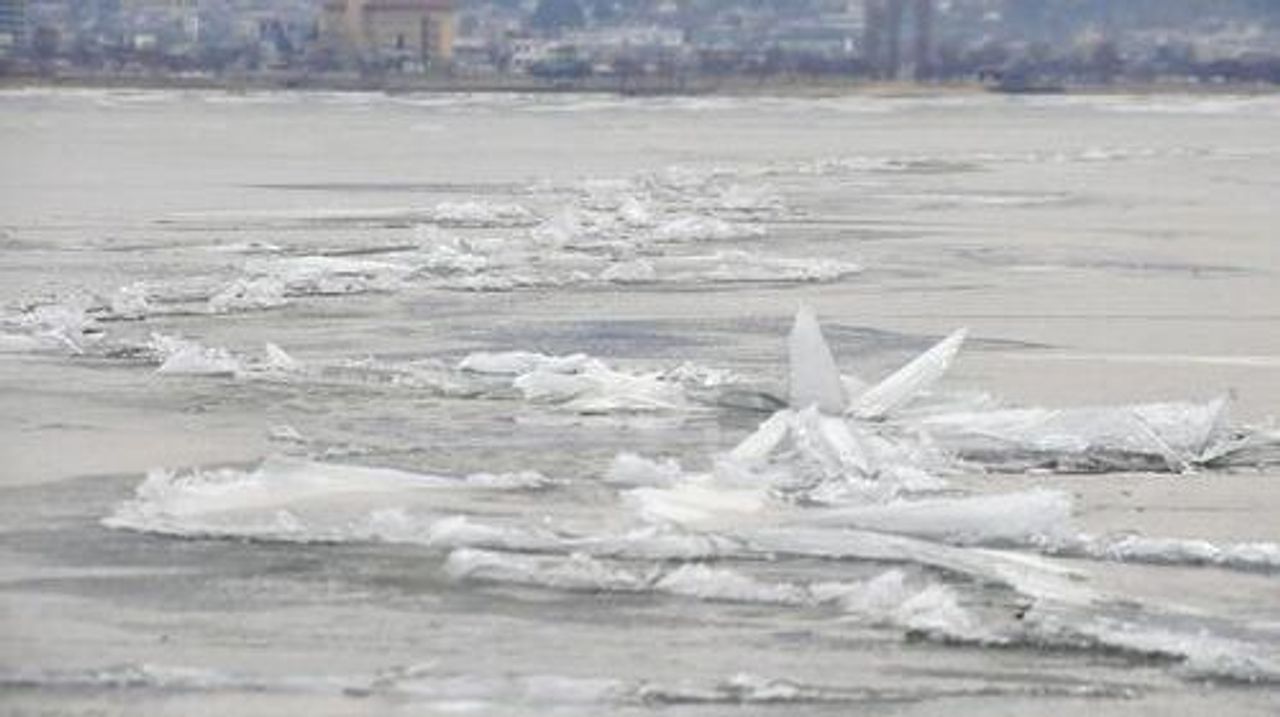
The traditional Shinto event known as the 'Divine Crossing' at Suwa Lake has stirred debate as the presiding priest rings the alarm over its conduct. This ritual involves a natural phenomenon, occurring when the lake's ice cracks to form a natural ridge, believed to represent the path deity Takeminakata-no-Kami takes to visit his wife. Recently, increased tourist activities and environmental concerns have put its preservation in jeopardy, prompting the priest's public plea.
Japanese society places a high value on tradition and natural phenomenons, especially those linked to Shintoism. The 'Divine Crossing' signifies a deep-rooted cultural faith and is a source of pride for locals. However, the conflict between tourism, environmental issues, and preserving cultural heritage presents a recurring theme in Japan, causing widespread concern.
In the US and EU, similar issues arise around the preservation of cultural heritage sites. Efforts are taken to balance tourism, cultural identity, and environmental protection. Infringements on such sites often spark protests and campaigns for stricter regulations, mirroring the reactions seen in Japan.