
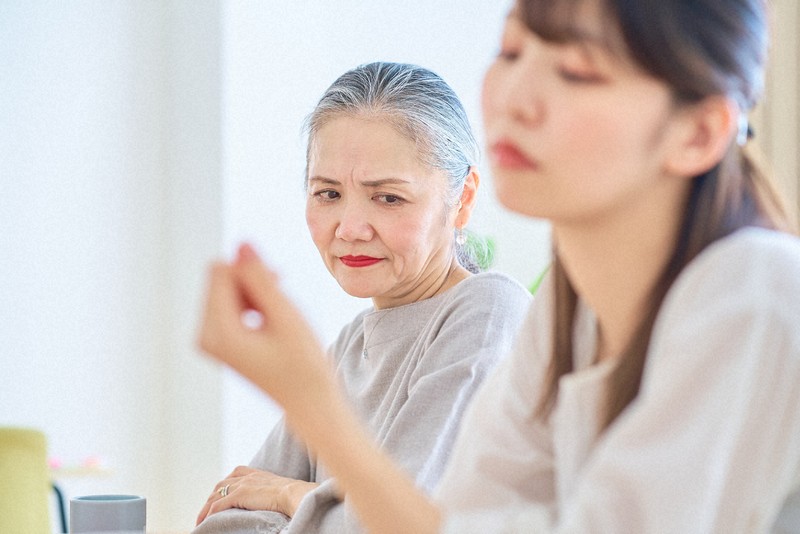
A recent social shift in Japan sees more married couples choosing to visit their in-laws separately during holiday seasons, a trend known as "Separate Homecomings". Traditionally, these visits have been a joint and important event for families. The trend has been escalating, with many citing work schedules, individual preferences, and reducing stress as underlying factors. The shift indicates a broader change in Japan's societal norms and family structures.
In Japan, familial duty and maintaining harmonious relationships with in-laws are of great importance. New Year's and other holiday visits to one's spouse's parents, known as "homecomings" are almost a social obligation. The rise of "separate homecomings" shows a departure from these traditional norms, leaning towards practicality and individual preferences.
In the US or EU, there isn't an equivalent of the deep-rooted social obligation to visit one's in-laws together. The concept of visiting in-laws separately should the need arise isn't considered unusual. This is another instance where Japan is experiencing social shifts that resemble Western norm adaptations.