
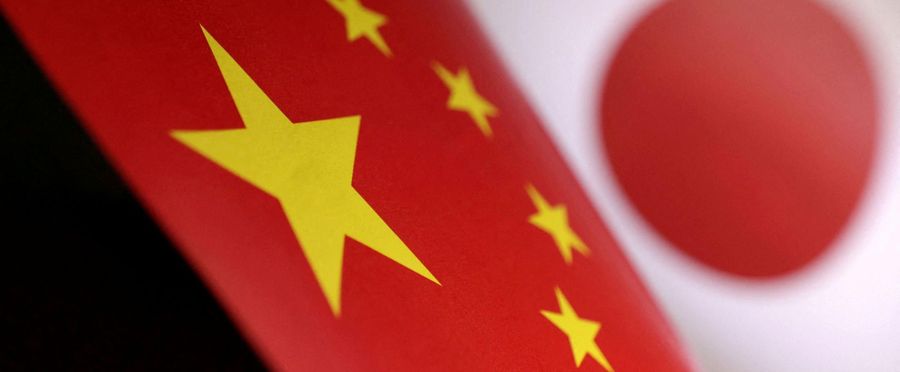
China has openly expressed its discontent over the recent increase in Japan's defense budget. The Japanese government's decision to boost defense expenditure comes amid escalating geopolitical tensions in the region. No specific date or event triggered the announcement, but it serves as an indicator of growing uncertainty in the East Asian political landscape. This has been perceived negatively by China, with Beijing voicing its opposition and concern in various media outlets.
In Japan, such matters often spark a societal debate due to the country's pacifist constitution and its past military adventures. The defense budget increase signifies a perceived threat and a shift in Japan's pacifist stance, something deeply ingrained in its post-WWII societal values. It’s not just a political issue, but also touches on Japan's identity and its commitment to peace.
Similar instances of defense spending increases causing international uneasiness can be noticed in relations between the US and its neighbors, especially in times of heightened tensions or perceived threats. However, unlike Japan, the US doesn't have the same constitutional limitations on its military, making such increases less controversial domestically while still potentially causing international uncertainty. In the EU, increased defense spending also sparks major public debate, driven by varied historical memories and different perceptions of perceived threats.