
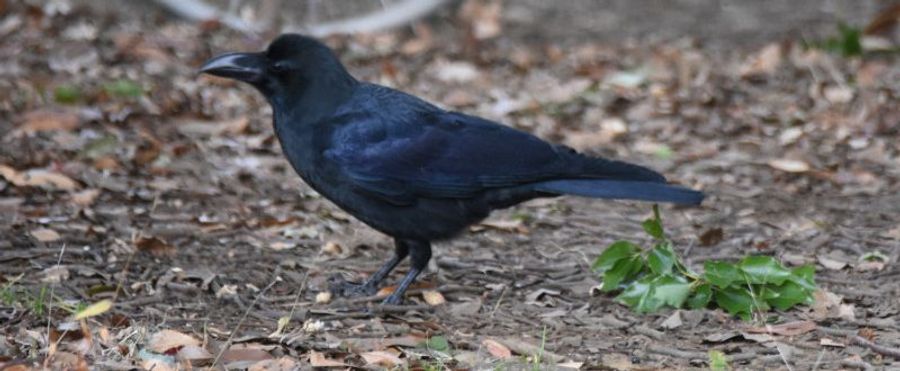
Recent surveys in the heart of Tokyo reveal a whopping 84% decrease in the city's crow population. Renowned for being urban survivors, crows have long been a symbol of Tokyo's biodiversity. The cause behind this significant population drop remains uncertain, raising questions about changes in Tokyo's urban ecosystem and possible effects on local fauna or city sanitation. Research is ongoing to uncover reasons behind this surprising decline.
In Japan, crows hold a unique spot in urban wildlife – they are appreciated, feared, and reviled all at once. Known for their remarkable intelligence and problem-solving skills, they are largely tolerated as inevitable components of the city's landscape. However, their reputation as disruptors of waste management systems, combined with noise pollution, have also made them a municipal issue. This unexpected decline in their population may affect these dynamics and influence urban planning and sanitation policies in Tokyo.
In the US and EU, urban bird populations are closely monitored due to their effects on city ecosystems. Like Tokyo's crows, pigeons in European cities or raccoons in North American urban zones are often seen as pesky by some, but also emblematic of urban wildlife. Their management is an ongoing challenge for societies, to balance their existence with public needs and convenience.