
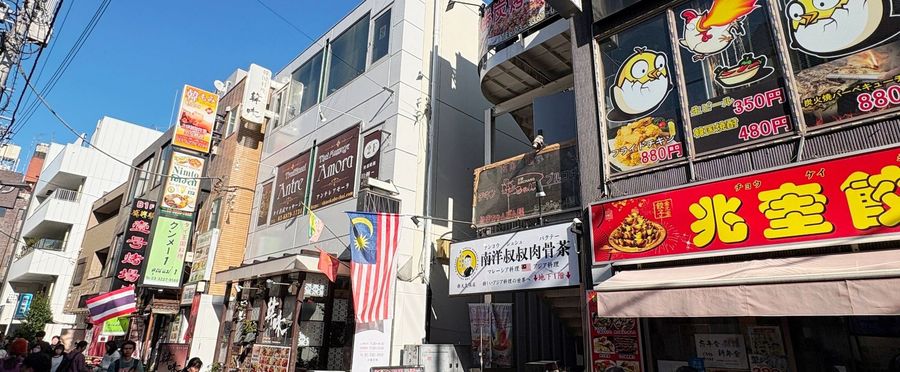
Shinjuku, a central Tokyo district bustling with life and color, recently crossed significant demographic milestone — 14.5% of its residents are now foreigners. Notably concentrated in Tokyo's metropolitan area, the foreign population's growth reflects Japan's ongoing demographic shifts and its efforts to attract international talent. The resulting diversity is gradually changing the community's dynamics and challenges traditional homogeneity while contributing to urban revitalization.
The news has triggered robust discussion in Japan, a country traditionally characterized by ethnic homogeneity. Many applaud the growing diversity and the economic benefits associated with it, while others express concerns about potential cultural erosion and the necessity for effective multilingual and multicultural solutions in public services and education.
In comparison to high-immigration countries like the US or many EU member states, where diverse populations are relatively common, Japan's immigration policy has been historically restrictive. The concentration of foreign residents in specific areas such as Shinjuku represents a new phenomenon for Japan society and may catalyze broader policy and social discussions.