
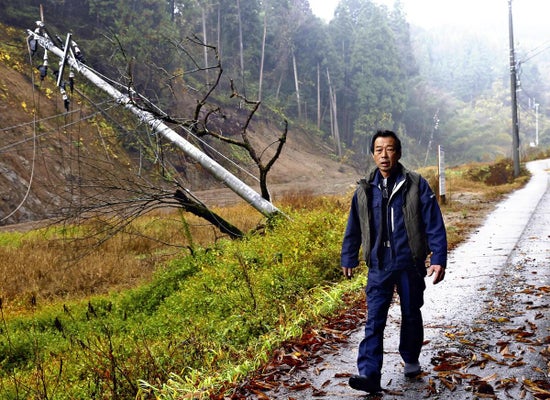
Following the devastating Noto Earthquake, a mass relocation effort has dramatically changed the dynamics of local settlements. The uneven population distribution caused by these forced moves shines a light on the stark disparities between communities. The initiative was a response to the destruction of homes and infrastructure, but the implications for the affected communities' social structure, economy and traditions are increasingly becoming a subject of concern.
In Japan, community and harmony (wa) are key societal values and are particularly apparent in rural areas. The recent forced migrations challenge this harmony as people are uprooted from their homes and need to adjust in new locations. These displacements also raise serious questions about rural depopulation and its impact on local traditions and economy.
In comparison, the U.S. and EU have experienced similar scenarios following natural disasters like Hurricane Katrina or the L’Aquila earthquake. Relief efforts did include relocating victims, but often with emphasis on returning them to their original homes or communities when possible. Such events sparked discussions around emergency preparedness, socio-economic disparities, and housing rights.