
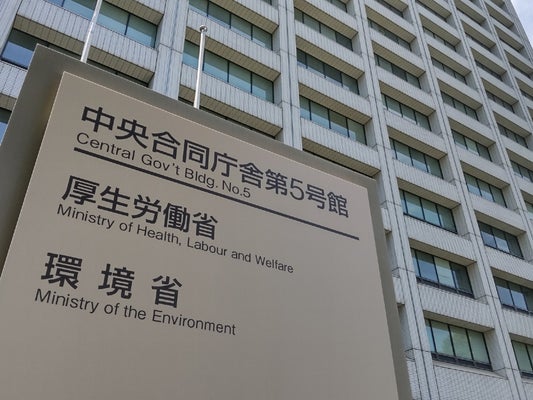
In an attempt to save the lives of those in direst need, the Japanese healthcare system has decided to prioritize heart transplant procedures for patients given a life expectancy of just one month. This new measure, highlighted in the Japanese news, is expected to engender rigorous discussions about the allocation of medical resources, medical ethic issues, and the future trajectory of organ transplant policies.
This news will likely stimulate a wide range of reactions within Japan. Ongoing debates about medical ethics, organ donations and healthcare policies are prevalent societal concerns. The shift may also reflect the Japanese principle of balancing care for the individual with the greater societal good, and the importance placed on saving lives.
In contrast, the US allocation system considers a range of factors, such as urgency, the probability of success, waiting time, age, etc. Meanwhile, in the EU, allocation methods vary from country to country, with some leaning more towards urgency and others towards fairness and best outcomes.