
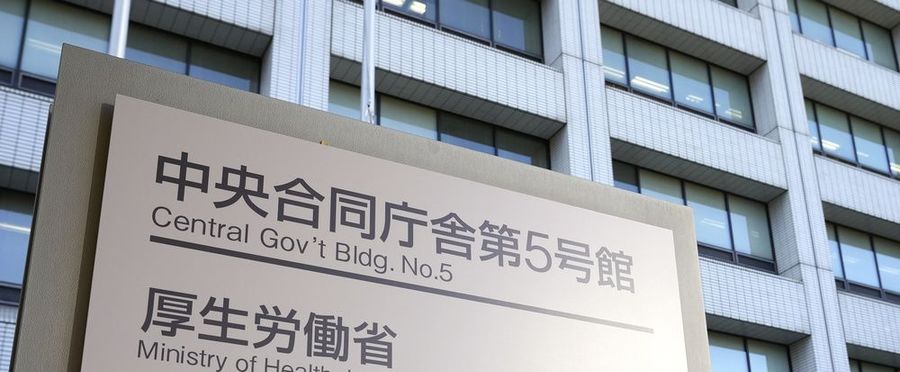
The Japanese health sector is contemplating implementing additional charges for patients using Loxonin, a popular anti-inflammatory drug. The decision has emerged amidst ongoing discussions about healthcare costs and pharmaceutical pricing. The timeframe for potential policy implementation and the precise impact on patients' financial responsibilities remains to be clarified.
Price changes in Japan's healthcare system can cause significant public concern due to the system's essential role in citizens' lives. The potential additional charges on Loxonin, commonly used for pain management, are likely to affect a large number of patients. The social values involved here include equitable access to health care and considerations for citizens' quality of life, both central aspects of Japanese society.
Similar to the US or EU, Japan also has debates and discussions regarding healthcare costs and pharmaceutical pricing. However, unlike the largely private healthcare sector in the US, Japan operates a compulsory and universal healthcare system funded by insurance premiums, taxes, and out-of-pocket payments, similar to the systems prevalent in many EU countries.