
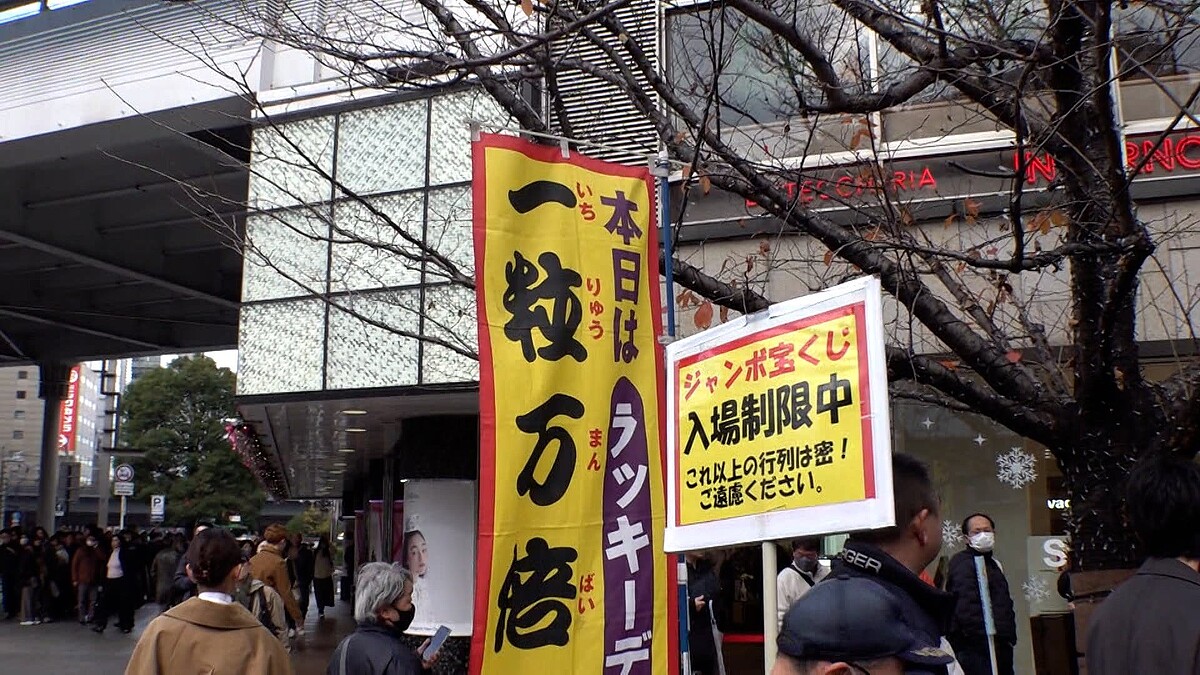
In recent news, long lines are forming at the popular lottery outlets across Japan as hopeful individuals queue up to eight hours for their chance at good fortune. These lines began forming as it was declared a "kaiun hi" or "lucky day," causing a surge of people to try their luck. The surge in these lottery numbers can have a notable impact on the nation's economy, as citizens invest their hopes and yen into the game of chance.
The lottery in Japan is seen as a part of popular culture and is often associated with distinct belief in good luck or "kaiun." This belief often results in a considerable surge of people participating in the lottery, especially on officially declared lucky days. Also, standing in long queues for popular products or events has become something of a social norm.
In the US or EU, the lottery is also a popular form of gambling. However, the concept of a designated "lucky day" isn't as widespread or culturally significant. Moreover, digitalisation has made purchasing lottery tickets easier in these regions, reducing long physical queues.