
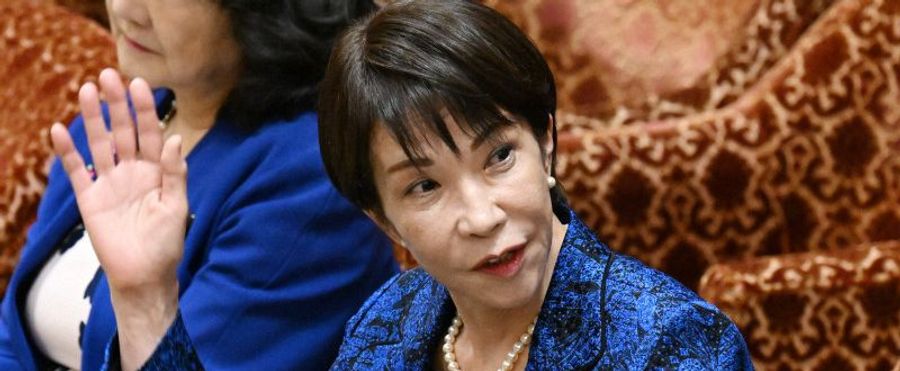
Prime Minister Kōichi of Japan is reportedly dealing with sleep deprivation, sparking concerns among sleep scientists. This has triggered a debate on the overwhelming workload and rigorous schedules of politicians which may affect their health and judgment. No specific details were given about when or where these concerns were raised, but they certainly draw attention to the broader issue of work-life balance in demanding professions such as politics.
In Japan, the issue of work-life balance and the cultural norm of long working hours of political leaders has been a significant point of contention. There are deeply entrenched expectations for politicians to work exhaustive hours, which is often seen as a sign of commitment to their role. This news seems to reignite discussions around these expectations and the potential need for reform.
In the United States or European Union, work-life balance is also an issue among politicians, but there seems to be a greater recognition of the need for leisure and recovery time. It's not unusual to see a U.S. or European politician take time off for vacations or personal matters, whereas in Japan, this could be perceived as a dereliction of duty.