
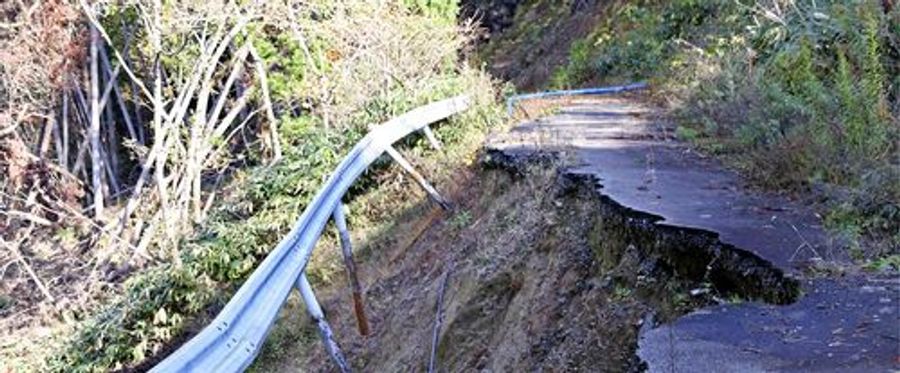
Amid increasing instances of natural disasters, over 20,000 rural Japanese communities face the threat of becoming isolated. Preliminary studies show these locations lack access to immediate emergency services thereby exacerbating their vulnerability. Japanese authorities are expanding their disaster preparedness efforts to ensure timely rescue and recovery operations in such regions.
In Japan, disaster resilience is a significant priority due to the nation's susceptibility to multiple natural disasters including earthquakes, typhoons, and tsunamis. The welfare of rural and aging communities, often most at risk during these incidents, is of paramount concern. This news highlights Japan's preparedness levels, reflects society's trust in governmental efforts, and influences how future urban planning will account for disaster prevention.
In the United States or the European Union, the focus would similarly be on preparation and response times. However, the response differs in geographical and demographic contexts. While Japan grapples with the risk to rural and elderly populations, in the US, devastation from major hurricanes often sheds light on inequality and urban planning issues. In the EU, the focus might be more towards managing floods and heatwaves, aligning disaster responses with climate change strategies.