
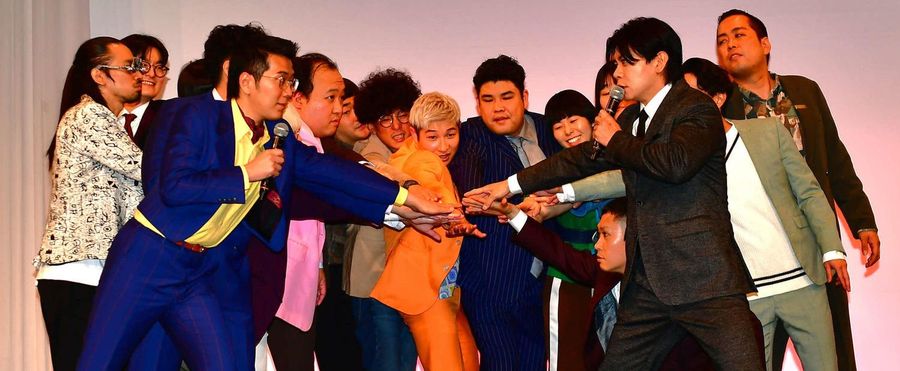
In the vibrant world of Japanese comedy, there seems to be an intense rivalry brewing between the stalwarts and emerging newcomers of the renowned M-1 comedy competition. With expectations at an all-time high, fans are split between anticipating a victory for the recurring veterans or a breakout success for the new talents. This enduring tension between seasoned entertainers and promising debutants forms a significant part of Japan's entertainment culture and intensifies as the much-anticipated event draws closer.
In Japan, the M-1 comedy competition holds a place of high cultural importance. Its immense popularity has helped shape the country's comedic landscape, with veteran comedians often achieving celebrity status, and newcomers viewed as potential industry game-changers. The annual competition, and the discussion it stirs among the public regarding traditional versus contemporary comedy styles, is a reflection of broader societal values around respect for tradition, talent recognition, and the importance of fresh influences.
In the U.S. or EU, similar prominence is given to talent shows like 'America's Got Talent' or 'Britain's Got Talent'. These platforms also create a spirited blend of newcomers and veterans, generating buzz and excitement around potential upsets or the reaffirmation of established talents. However, unlike M-1, these shows embrace a wider array of talents beyond just comedy, which might dilute focus on the nuances of comedic art.