
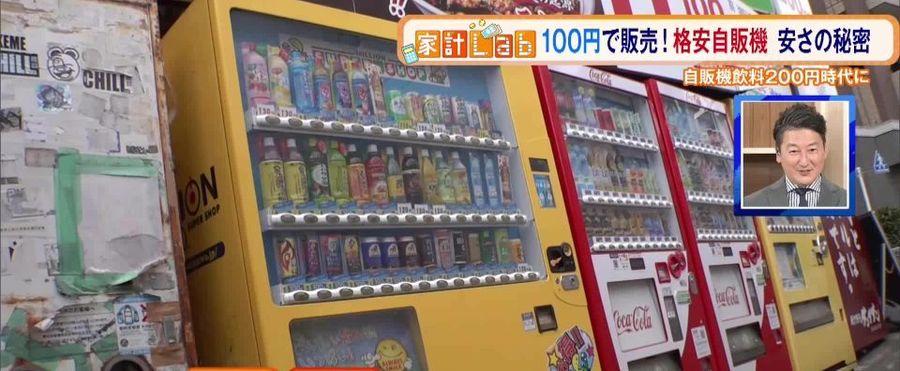
Japan's ubiquity of cost-effective beverage vending machines invites scrutiny, with many questioning how prices manage to stay so low. This article explores the economic factors behind these affordable drinks, such as efficient distribution networks, quantity-based price reductions, and the high demand and turnover rate. Sources include vending machine operators, industry analysts, and consumers spurring the constant demand for budget-friendly refreshments.
In Japan, beverage vending machines are ever-present and form a significant part of the urban landscape. These machines are significant to the country's lifestyle, with many locals and tourists alike appreciating the convenience and affordability. The low price of these drinks is integral to the sense of economic egalitarianism in Japan, where essential consumer goods are often priced affordably to be accessible to all. The topic of why these machines can afford to charge so little piques the interest of the Japanese public and reflects their attention to economy-related details.
In contrast, in the US or EU, vending machines are not as common or as crucial in daily life as they are in Japan. There's less focus on affordability, and prices may vary significantly based on location — with machines in prime areas more likely to charge higher prices. Therefore, such an article might not draw as much attention in these regions, where cost variation isn't as controversial.