
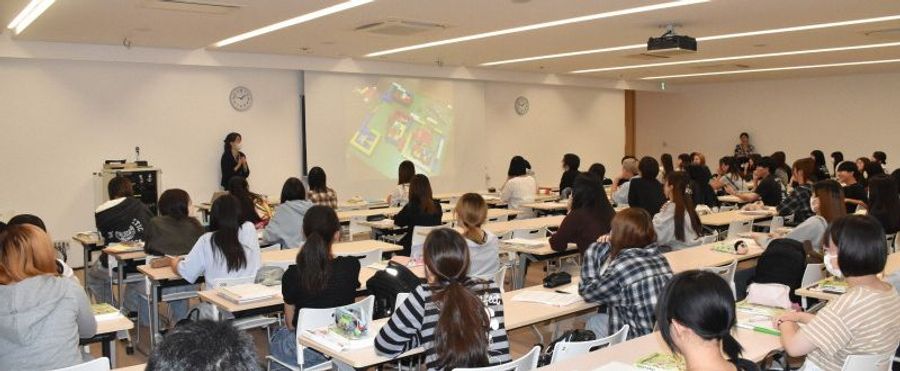
The number of junior colleges in Japan has halved in the last 30 years, sparking fears of a potential shortage in the number of trained childcare workers. The trend, marked by declining student enrollment and resultant college closures, threatens to exacerbate the already critical shortage of nursery teachers in the country. This decrease in junior colleges might contribute to Japan's ongoing social issue of childcare services shortage, thereby negatively affecting overall labor market participation, particularly among women.
The issue of childcare shortage in Japan directly ties in with the urgent need to improve female labor participation, shedding light on the connection between education and workforce sustainability. It's a topic of high national interest as it challenges the government's push towards better work-life balance and equality in a society where women are still largely expected to handle the bulk of childcare responsibilities.
In comparison, the US and EU often handle similar issues through various means, including incentivizing tertiary education in related fields and increasing funding for colleges specifically dedicated to training childcare professionals. They also offer more programs to encourage male participation in childcare professions to help address the gender imbalance.