
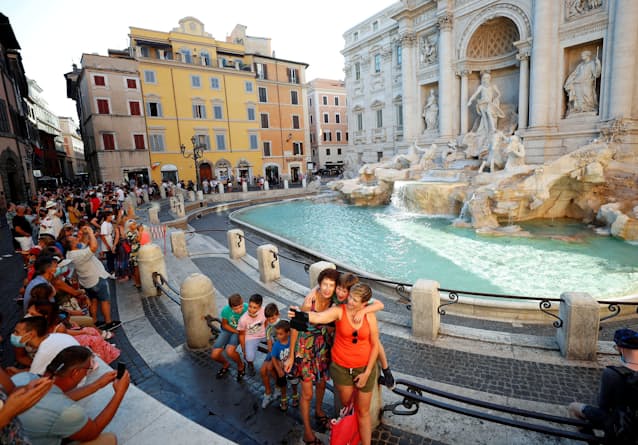
Beginning in February, Rome's iconic Trevi Fountain will introduce an entrance fee, a significant shift in its accessibility. The decision is seen as a junction of culture and economy, directly influenced by Japan's effective model for maintaining and protecting notable landmarks. The aim is to implement a sustainable solution for crowd control and maintenance costs, improving the overall visitor experience while preserving this historical site.
Japan has a history of charging admission fees for entry to many of its historical and cultural landmarks, a practice widely accepted among the population. The generated income helps to fund preservation efforts and control tourism footfalls, thereby preventing overcrowding and overuse. This news will likely foster a conversation about Japan's influence in shaping global tourism practices.
In the US or EU, many public landmarks are free to visitors, although donations may be solicited. However, the imposition of entry fees as a tool for sustainability and preservation isn't uncommon. It is a balancing act between promoting tourism and preserving the element of culture.