
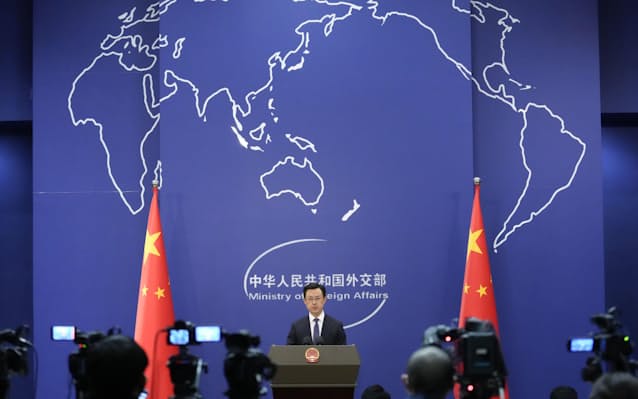
Recently, China's statements about nuclear weaponry have stirred serious global concern. The headline refers to China's announcement about owning nuclear arms, which Japan has labeled as a "grave situation". Japan, a nation known for its firm anti-nuclear stance post WWII, has voiced out its alarm regarding China's aggressive move. The timing of the pronouncement and the repercussions are still not clear, but the international community is on high alert.
Japan has a unique relationship with nuclear weaponry due to its historical experiences in Hiroshima and Nagasaki during WWII. As a result, Japan strictly adheres to its three non-nuclear principles: not producing, possessing, or allowing nuclear weapons on its territory. Any altercations regarding nuclear armament, especially from neighboring countries, are treated with utmost gravity in Japan.
In contrast, the US and EU nations may not react as intensely to such perilous topics, often due to their geographical distance from China and differing political landscapes. However, nuclear proliferation is a global concern, and countries like the US and those in the EU would likely voice out their concerns through diplomatic channels or impose sanctions if the situation escalates.