
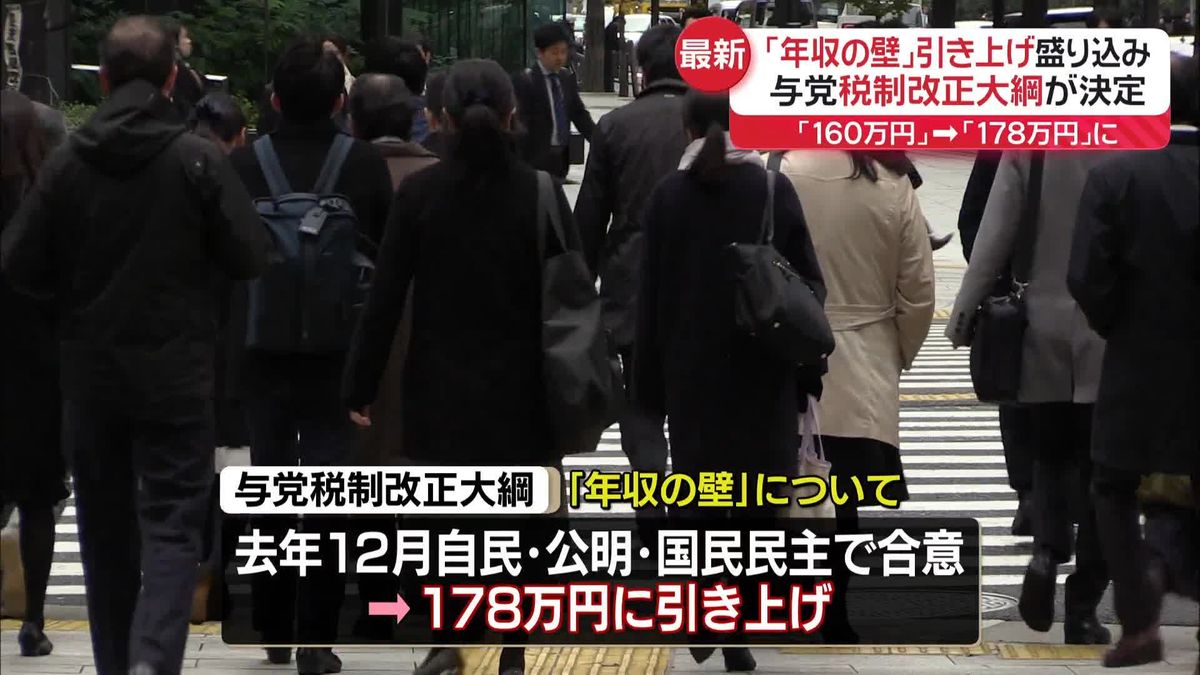
Japan's ruling party has finalized its key policy initiatives for tax reforms in the forthcoming fiscal year. The reforms strive to balance economic robustness with social equity during these uncertain times. Specific details of the tax changes, including who they will impact, the size of the revenue, and how they will be implemented, have yet to be announced.
In Japan, tax reforms are much awaited every year as they significantly impact both businesses and households. Questions concerning distribution of national wealth, reduction of inequality, and support for small businesses often become central issues. Furthermore, tax policies are closely scrutinized for their implications on economic growth and sustainability.
Similar to the United States or the European Union, Japan's tax reforms are driven by a blend of socio-economic goals and political considerations. However, unlike the mentioned regions where tax changes often spark controversial debates, Japan's public often displays more trust in government initiatives and expects feasible resolutions to ongoing economic struggles.