
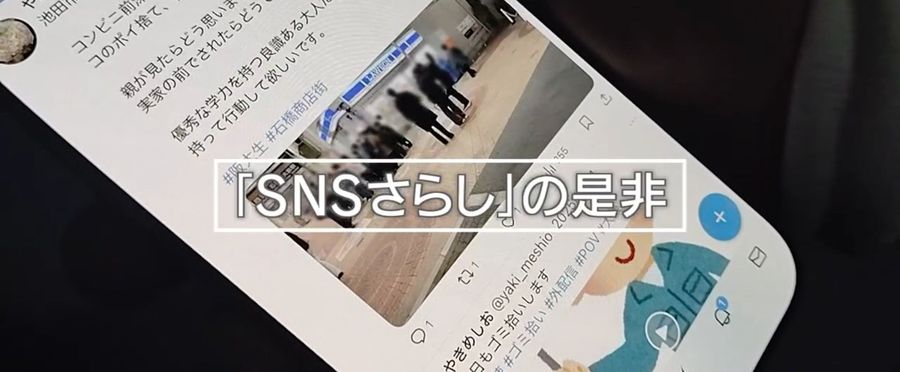
Online vigilantes in Japan are taking to social media platforms to expose wrongdoers, sparking a contentious debate on whether such actions should be considered righteous justice or inappropriate overreach. The issue is gaining traction nationwide as differing perspectives on personal privacy and rectifying misdeeds clash, raising challenging questions about individuals' roles and responsibilities in the digital age.
In Japan, issues of personal privacy are taken very seriously. This controversy therefore raises ethical questions about where to draw the line between preserving personal privacy and using social media as a tool to expose and address antisocial behavior. At the same time, many view such public 'exposures' as an alternative form of social justice and deterrent against wrongdoings.
In the US or EU, this contentious issue parallels debates on public shaming via social media platforms. Just like in Japan, there are advocates who support such 'call-outs', viewing them as useful tools for holding individuals accountable. On the opposite end, critics argue that it infringes on privacy rights and can lead to unwarranted punishment without proper context or proof.