
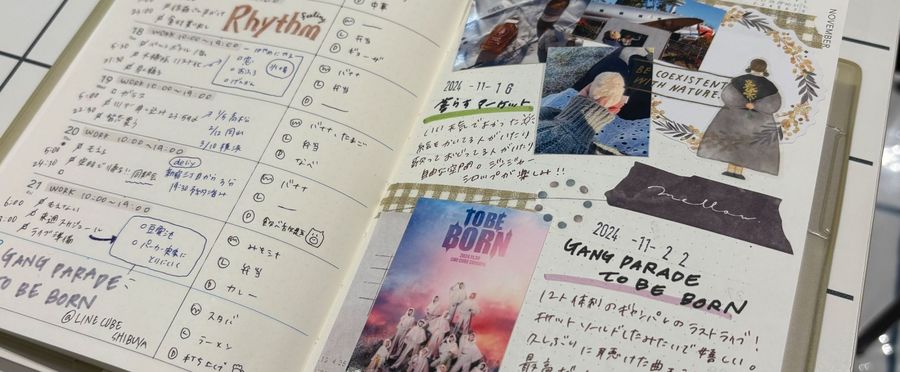
Traditional, analog paper planners from Japan have begun amassing popularity both domestically and internationally. Despite the prevalence of digital options, these tactile, pen-to-paper journals are being lauded for their practicality and their ability to offer a break from the digital world. Though the global boom has been recent, these types of journals have long held a special place in Japanese stationery culture.
In Japan, a country known for both traditional art forms and technological advances, analog paper planners underline the importance of 'mono-zukuri' (craftsmanship) and 'kakizome' (first writing). They also resonate with the cultural value of mindfulness, amplifying the importance of personal time and space, and the physical act of writing as a mode of expression and thought.
In the US and EU, the rise of digital devices and apps for scheduling and note-taking often dominates. However, given this trend from Japan, it reflects a growing global movement that advocates for a simpler, more purposeful lifestyle. Often, this shift relates to increasing concerns about digital screen time and the desire for products that promote mental wellbeing.