
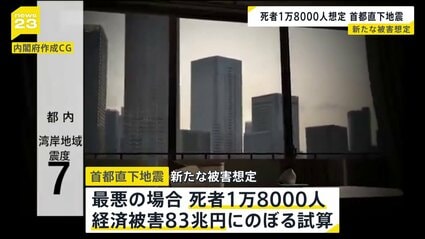
Tokyo authorities have announced new projections for potential damage from a direct-underneath earthquake. While the exact timeline remains uncertain, the revelation comes as a part of constant improvement to emergency planning. The city is increasing its resilience against this looming threat, taking into account the potential for infrastructure damage, casualties, and the overall impact on daily life in the metropolis. The objective is clear: preparing the city and its citizens for possible future calamities to ensure minimal harm and a swift return to normalcy post-disaster.
In Japan, earthquake preparedness is intrinsic to urban planning and everyday life. Owing to high seismic activity, the government places great importance on transparency about potential earthquake risks and advancing preventative measures. The social values involve a sense of collective responsibility and meticulousness in safety.
In the US and EU, disaster preparedness varies greatly depending on the region's unique geographical risks. Still, Japan's systematic and comprehensive approach to earthquake preparedness, which involves providing accurate information and planning, seems more advanced. Following suit could benefit other earthquake-prone regions.