
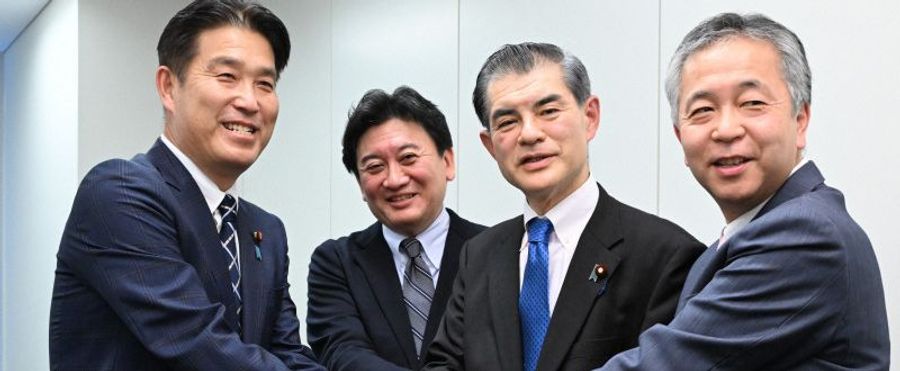
In an unprecedented move, Japan's three primary political parties have reached an agreement to provide free school meals, priced at 5200 yen per child monthly. This significant measure will ensure that all children have access to nutritious food, no matter their socio-economic background. The rollout's timeline and the government's precise funding source remain unspecified, considering potential economic impacts.
In Japan, where child poverty and the wealth gap is often under-discussed, this decision is seen as a critical step forward. Providing a balanced meal to all students may help improve educational results and overall child welfare. School meals, known as "kyushoku," are a fundamental part of the Japanese school day. With this move, significant relief could be given to lower-income families who struggle to pay for these meals.
In the United States and some European Union countries, programs to provide free or reduced-price school meals have been in place for decades. However, these programs typically depend on the child's family income, while Japan's new proposal aims to cover all children regardless of their economic status, marking a significant leap in their approach to educational welfare.