
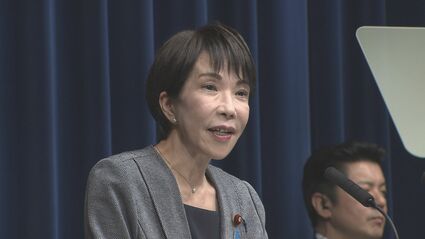
The Temporary Session of the National Diet, Japan's bicameral legislature, has come to an end, leaving behind several unfinished discussions and unresolved issues. The news reveals the challenges faced during the short session, which are likely to affect upcoming policies and set precedents for future governance. The contentious issues left on the table indicate a considerable amount of deliberation and decision-making yet to take place in the country’s political arena.
In Japan, the closing of a temporary session in the National Diet is an important event and often triggers heated discussions among politicians, analysts, and citizens. It creates a sense of urgency on unresolved matters due to the limited window the temporary session provides. Japanese citizens place high importance on the decisions made during these sessions, as they are integral to shaping the nation's future on diverse matters, from economic policies to constitutional amendments.
The situation faced by the Temporary Diet can be compared to "lame-duck" sessions of the Senate or House of Representatives in the United States. It's also similar to the European Parliament's plenary sessions, notably when a term is about to end. Under such circumstances, critical decisions are often left on hold leading to a rush to address them, and the results are widely debated and watched by both domestic and international observers.