
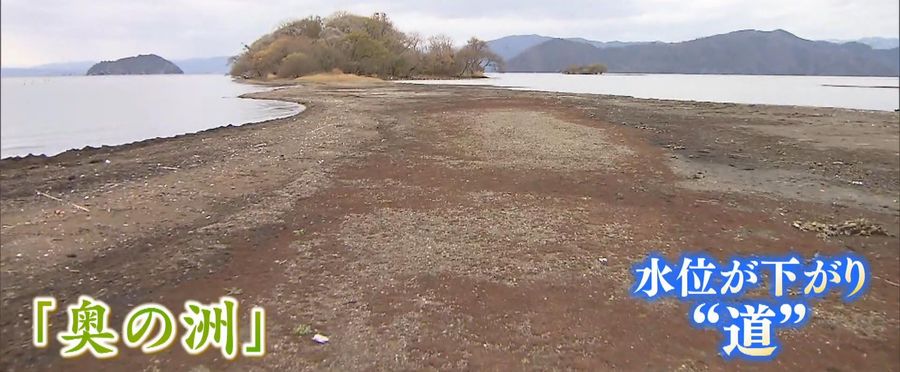
A previously submerged piece of land has emerged in Lake Biwa, Japan's largest freshwater lake, due to a dramatic decrease in water levels of about 71cm. This recent phenomenon, a rare occurrence, has resulted in a walkable path to the newly formed island. While it may offer short-term novelty and tourism benefits, locals and experts are concerned about the implications of lowered water levels on the lake's ecosystem and regional water supplies.
In Japan, the environment and particularly water ecosystems are greatly cherished and legally protected. Lake Biwa plays a vital role in providing water for millions of residents and industrial areas, hence a fall in water levels consequently sparks widespread concern. Additionally, the lake's rich biodiversity is crucial for scientific studies, making it a focal point for environmental conservation efforts. Therefore, news about extreme environmental changes, such as this, often fuels debates and discussions about climate change and environment protection measures in the nation.
In the United States and the European Union, similar occurrences have led to increased scrutiny of water resource management, and enhancement of regulations and policies aimed at climate change mitigation. Scientific research and debates often ensure that major changes in water bodies instigate comprehensive investigations and actionable solutions to prevent potential environmental hazards.