
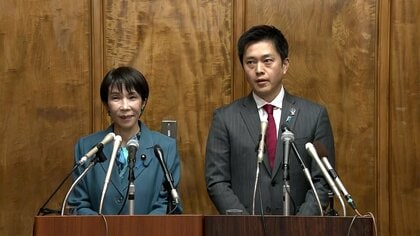
The Japanese Prime Minister has committed to finalizing a plan for reducing the number of parliamentary seats by next year. This statement comes amid ongoing debates about the efficiency and cost-effectiveness of Japan's government, with some arguing that a smaller parliament could operate more efficiently. The Prime Minister has not yet detailed how the reduction would occur or how much would be cut, adding an element of suspense to his announcement.
Japan's bicameral legislature, known as the National Diet, currently consists of a large number of representatives. The push for reduction is largely due to the country's mounting fiscal pressure and the necessity to increase government efficiency. This debate has been ongoing in recent years, with the public showing increasing interest in the reform of national governance structures.
This issue can be compared to redistricting and reform debates within US and EU political structures. In the US, for example, calls for reducing the number of representatives in Congress arise occasionally, spurred by similar discussions of government efficiency and fiscal responsibility. Various EU countries have also discussed resizing their legislative bodies from time to time.