
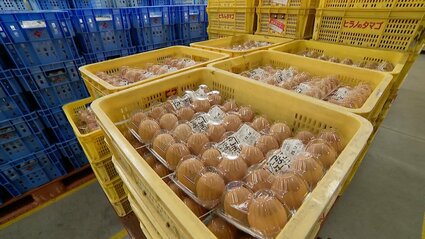
Egg prices in Japan have surged to a historical high, surpassing the previous "Egg Shock" crisis level. The price hike is due to a variety of factors including pandemic-related disruptions to the supply chain and increased feed costs. Consumers are responding with a mix of alarm and confusion, as eggs - a staple in many households - are becoming increasingly expensive. The government is exploring measures to stabilize the egg market and alleviate the impact on consumers.
The Japanese are deeply concerned about this issue as eggs are a crucial part of their daily diet, featuring prominently in dishes like tamagoyaki, ramen, and many others. The term "Egg Shock," coined during a previous consumer goods shock period, reflects the significance of this staple in Japan's household economy. Potential government intervention reflects a societal value of maintaining stable commodity prices to protect consumers.
In countries like the U.S. and EU, fluctuations in egg prices happen but might not draw as much media attention due to a more diversified diet. When it does happen, it’s often related to outbreaks of illnesses like avian flu that disrupt supply. However, the staple status of eggs in Japan makes this issue more significant.