
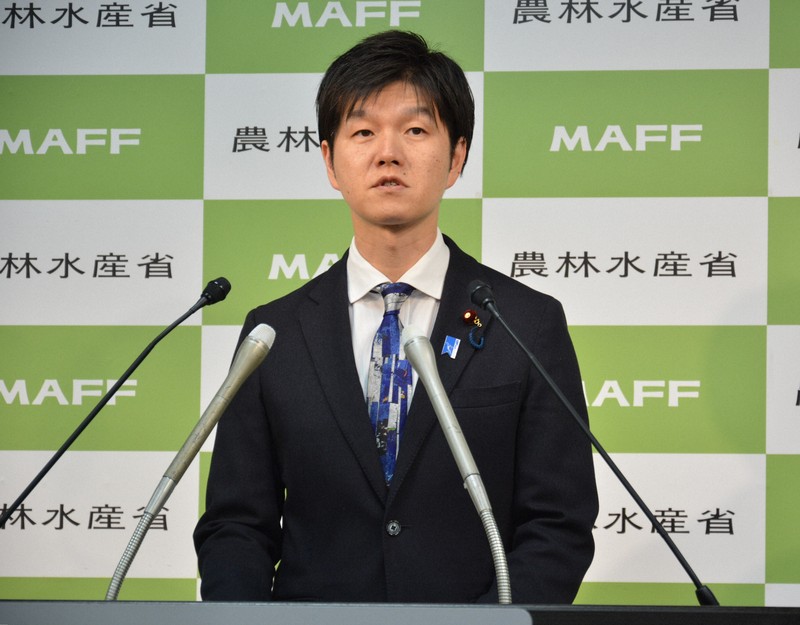
Japan's Minister of Agriculture has stated that rice coupons, part of a government initiative, appear to have had little to no impact on rice pricing overall. The remark comes after the implementation of a policy aimed at assisting households amid economic pressures. Despite their wide issuance, these coupons do not seem to have significantly changed market dynamics.
In Japan, rice is a staple food and the pricing and supply of this commodity significantly affect households. Issues surrounding rice, such as production, pricing, and subsidies are often widely discussed and heavily scrutinized. Therefore, the effectiveness of policies like the rice coupons is a matter of vital public interest.
In the US or EU, government assistance programs typically aim at broad issues (like unemployment benefits or healthcare subsidies), rather than specific commodities. However, agricultural subsidies are common. The discussion here is similar to debates in the US or EU about the effectiveness of such subsidies or aid programs in achieving their intended outcomes.