
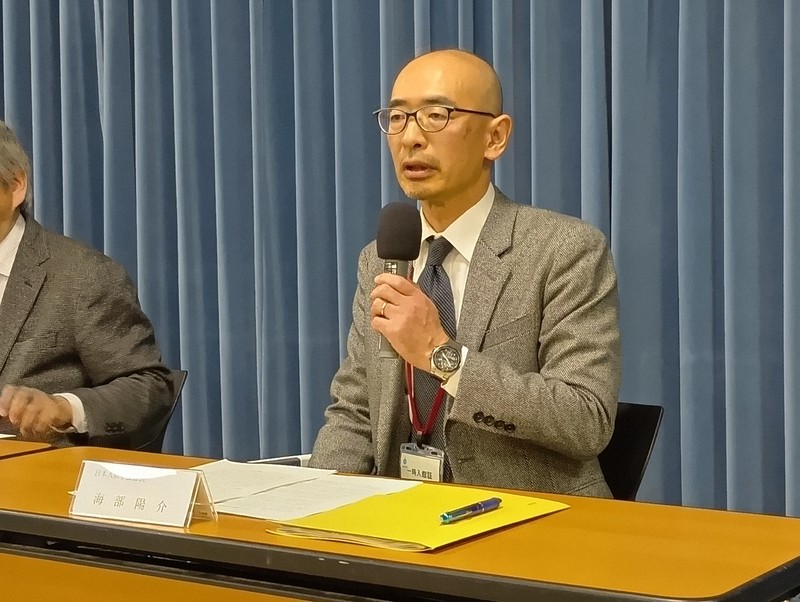
The Anthropological Association in Japan issued an apology concerning the collection of the remains of Japanese Indigenous Ainu people. This unprecedented action came after widespread criticism of the historical practice, deemed disrespectful and insensitive. The announcement's timing is not specified, but presumably the gathering of Ainu remains dates back to periods when their culture was not well recognized or appreciated. The decision reflects growing awareness and respect for indigenous rights within Japanese society.
This news is significant in Japan as the Ainu, Japan's Indigenous people, have a long history of discrimination. Japanese society highly values respect and recognition, especially about historical injustices. Thus, the Anthropological Association's apology resonates nationally. It is interpreted as a step towards acknowledging past wrongs and improving the treatment and understanding of Ainu culture.
In the U.S or EU, Indigenous remains collection is a controversial issue and has led to calls for the repatriation of remains. Laws have been enacted to protect indigenous remains and cultural items, such as the U.S. Native American Graves Protection and Repatriation Act. This situation in Japan reflects a similar changing sentiment, respecting indigenous people's rights and acknowledging past wrongs.