
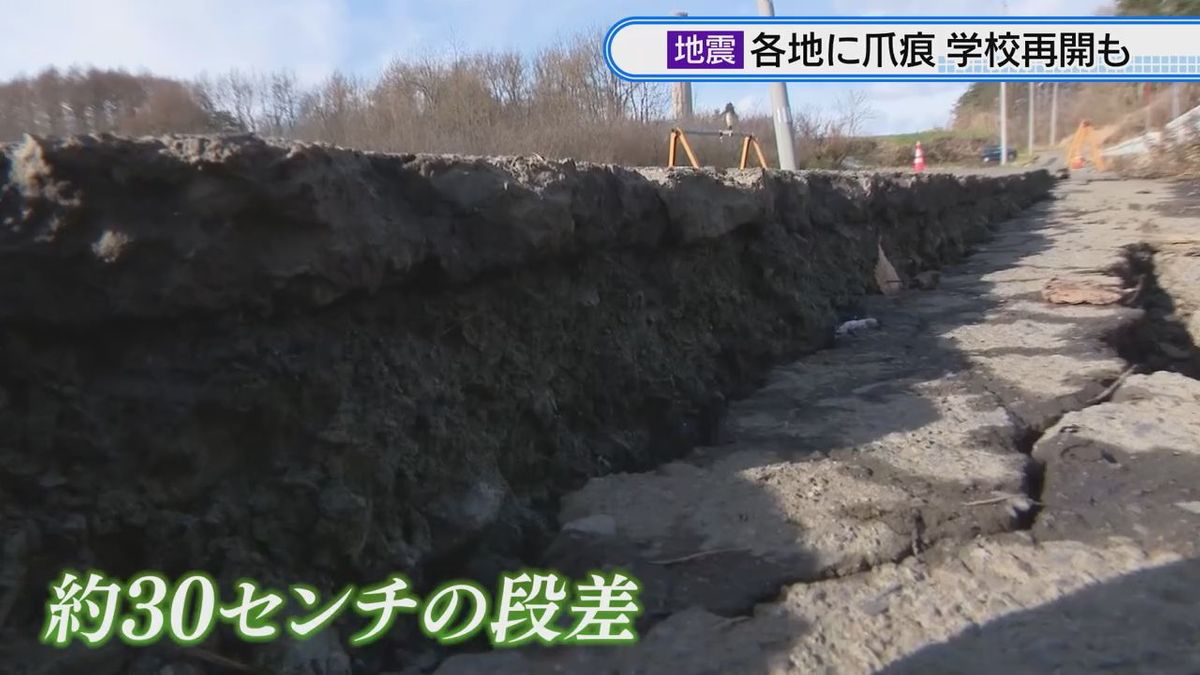
The article discusses the importance of continuous preparedness for aftershocks, emphasizing that safety measures should not be disregarded even after the usual expected period. This highlights the need for vigilance and ongoing review of emergency plans and supplies, especially in earthquake-prone regions like Japan. Through referencing instances of delayed aftershocks, the article urges readers to stay alert and continually prioritize safety.
In Japan, earthquakes are a regular occurrence and imminent threat, so earthquake preparedness is ingrained in the societal fabric. People are routinely drilled in safety measures, and buildings are designed to withstand seismic disturbances. The recent emphasis on sustained preparedness arises from the understanding that actual aftershock sequences can exceed initial estimates.
Unlike Japan, not all regions in the US or EU are equally susceptible to earthquakes, leading to variable standards in preparedness. However, countries with similar seismic risks, like California in the US, encourage residents to maintain stocks of supplies and develop emergency plans to be prepared for potential aftershocks.