
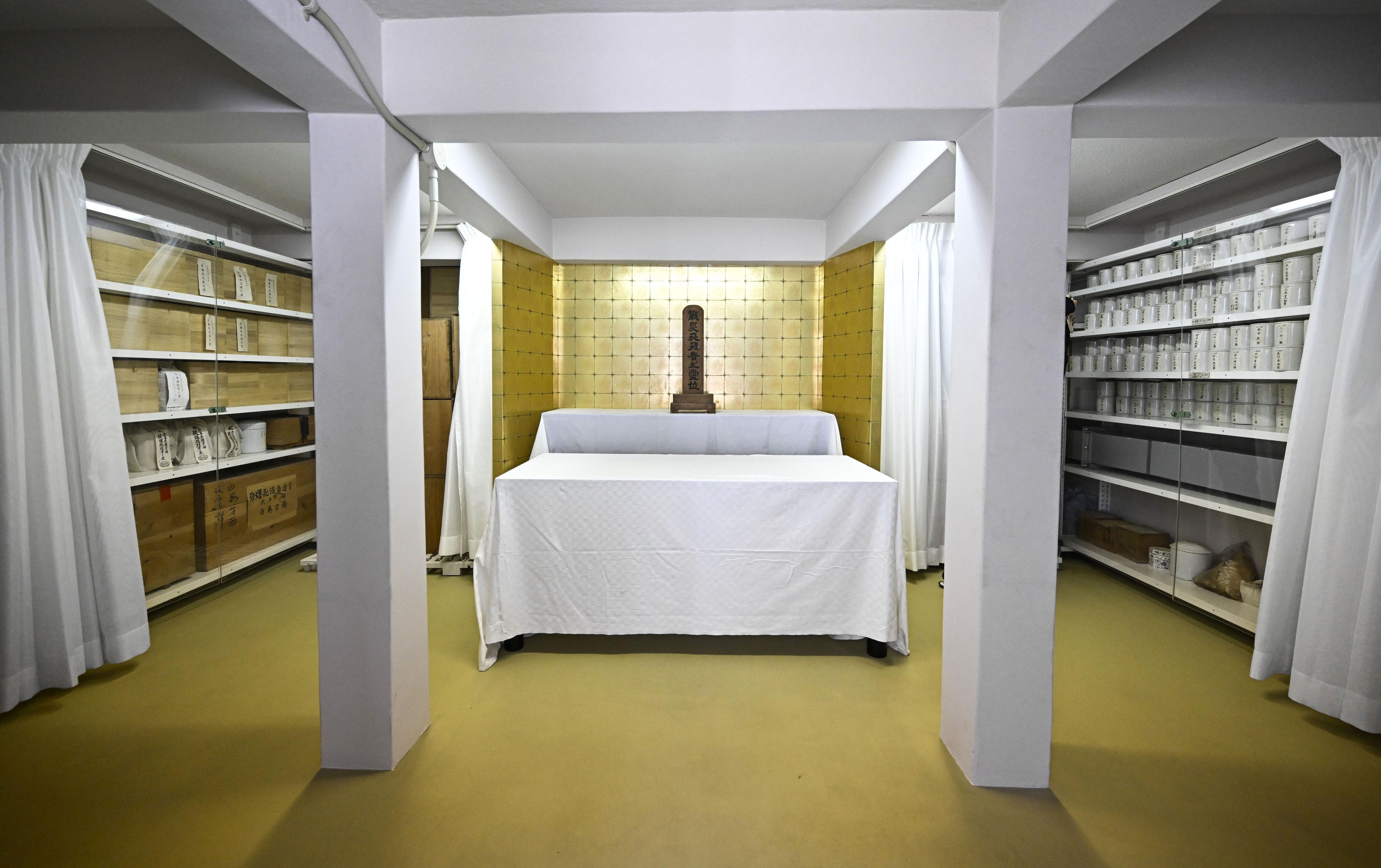
Scientists have used DNA testing on a lock of hair to confirm the identity of a victim of the atomic bombings in Hiroshima and Nagasaki during World War II. This breakthrough has been hailed as a significant step in clarifying the narratives of these tragic events and in reconnecting the victim's history, thereby offering closure to families. The specifics such as when and where the test was conducted, and the identity of the victim haven’t been disclosed due to privacy concerns.
This news holds great importance in Japan where the attacks on Hiroshima and Nagasaki are significant historical events with lasting impacts. Identification of victims allows for closure and contributes to preserving historical accuracy. It also taps into the Japanese values of memento (the importance of remembering the past) and filial piety (honoring one's ancestors).
In the US or EU, this would be treated similarly. DNA testing has been used to identify victims of disasters and attacks, such as 9/11 or wartime casualties. Adding such a personal touch to these monumental events helps humanize the tragedies and aids in the collective mourning and healing process.