
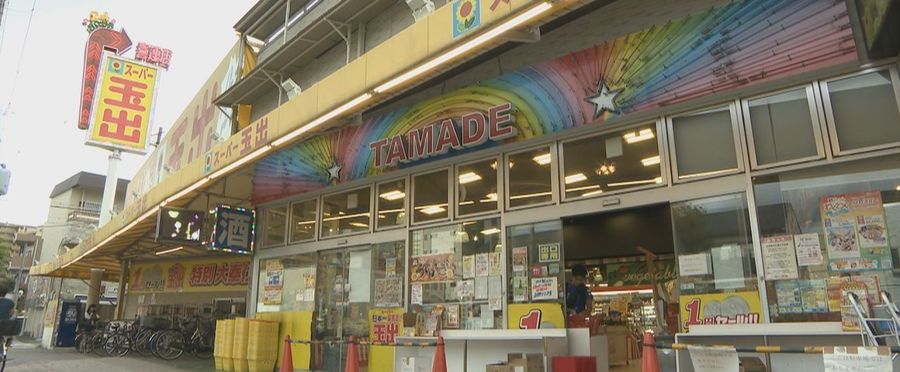
The Kansai region has found itself in the midst of a 'supermarket warring age', with various large supermarket chains vying for control of the retail market. This fierce competition is driven by changing consumer behavior and the desire to control a large share of the lucrative market. The resulting shift in power dynamics is noteworthy as it not only affects the retail industry but can also influence overall economic trends.
In Japan, supermarket chains are considered more than just retail outlets. They hold a significant economic impact as shifts within the industry directly affect suppliers, manufacturers, and consumers at large. Japanese consumers value quality, convenience, and price, thus the player that can provide all three may pull ahead. The shift in the Kansai region can indicate changing preferences and economic status in the wider population.
In the US or EU, similar supermarket industry shifts are common and are driven by mergers, acquisitions, and changing consumer demands. The rise of e-commerce, price competition, and the demand for convenience impact the industry heavily. However, in these regions, the supermarket sector is typically viewed primarily as a business matter, rather than as broad economic indicators.