
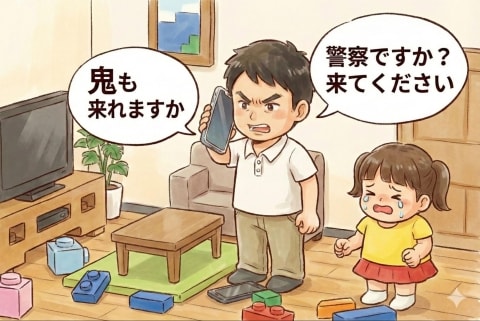
The focus of this news piece is the growing concern in Japan over the act of parents mimicking police intervention as a form of discipline. Some parents, finding traditional disciplining methods ineffective, are resorting to this approach - initiating a phony call to the police in an attempt to frighten disobedient children into acquiescence. This emerging practice has sparked a debate, causing a divide amongst experts and societal commentators regarding its ethical implications and whether it constitutes as child abuse.
In Japan, where a highly disciplined culture is prevalent, child-raising practices can often be stringent and authoritative. This controversial method of discipline represents an exploration of new tactics as parents grapple with changing societal norms and evolving perceptions regarding child discipline. In Japanese law, emotional abuse is considered a form of child maltreatment, thus the concern is that such behavior might cross legal boundaries.
In contrast, in the US and EU, calling authorities as a form of discipline is generally discouraged as it is seen as potentially traumatizing for children and an inappropriate use of police resources. Instead, parenting experts champion positive reinforcement, open communication, and establishing defined boundaries as discipline strategies. The concept of "faux police calls" would likely be viewed as an unusual and potentially harmful approach.