
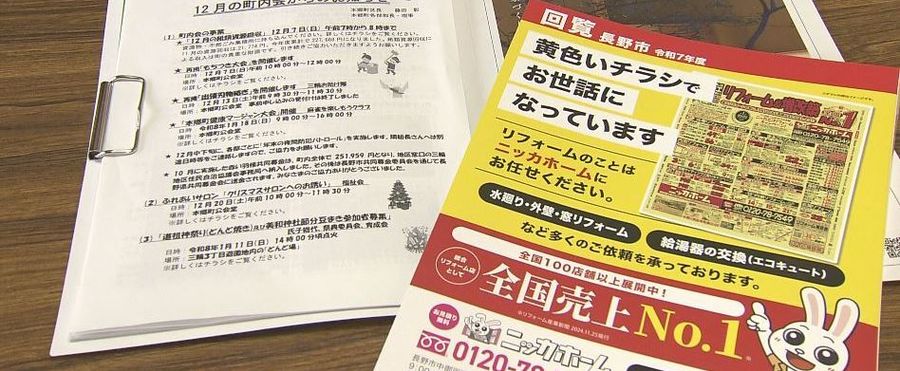
A recent surge in the use of traditional community notice boards has been noted in Japan's Reiwa era. These notice boards, typically found in housing complexes and neighborhood associations, have become a preferred mode of communication for important information, due to their efficiency and reliability. The resurgence has led to discussions about the negotiation of public spaces, and sparked debates on the value of face-to-face interactions.
In Japan, many people still value traditional communication methods, even in the digital age. Notice boards or "kairanban" are integral parts of community living, used to distribute important messages among residents. They believe it fosters better relationships among neighbors. Its resurgence reflects Japan's deep-rooted cultural values respecting community relationships and tradition.
In the US or EU, methods of communication are increasingly digital. Social media, emails, and mobile apps are commonly used. Many people might find physical notice boards to be old-fashioned and inefficient. However, there's also a growing appreciation for localized, physical community-building efforts.