
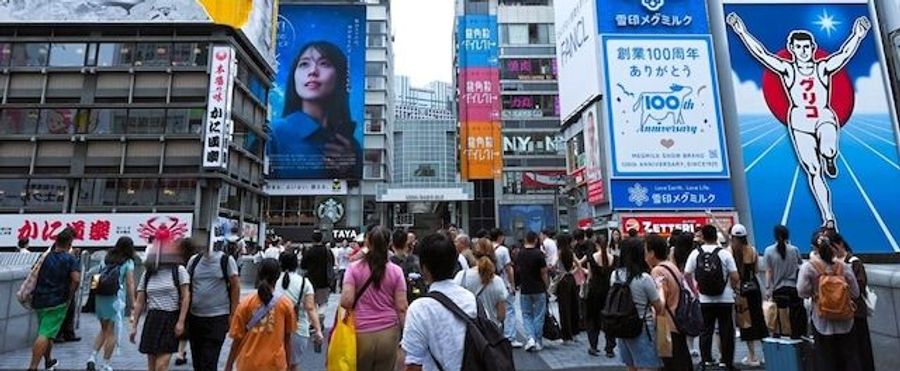
A growing trend aptly characterized as 'travel aversion' is sweeping across Japan, a country famously known for its rigorous work ethic. Many citizens are opting out of vacation trips, creating a shift in domestic tourism dynamics. While the uptick appears to have begun subtly over the past few years, it has come into sharper focus amid the COVID-19 pandemic, which might have accelerated the trend. The root causes behind this shift are multifaceted, encompassing concerns about cost, work-life balance, and a rising preference for staycations over vacations abroad or even within the country.
In Japan, the issue at hand is being closely examined due to the significant implications it holds for the country’s domestic tourism industry. Many Japanese people traditionally regard travel as a luxury or non-essential activity due to the hard work culture. Even more so in the face of the country's economic strains and the recent public health crisis, Japanese people tend to prioritize stability and security over leisurely pursuits, like travel.
Contrarily, the US and EU tend to promote a culture that values vacation time, viewing it as a critical factor for maintaining work-life balance. Also, their travel industries have, for the most part, recovered significantly from the initial blow of the pandemic. In these regions, efforts are made to encourage domestic tourism--offering discounts, promoting 'travel bubbles,' or linking holidays with significant cultural or sporting events.