
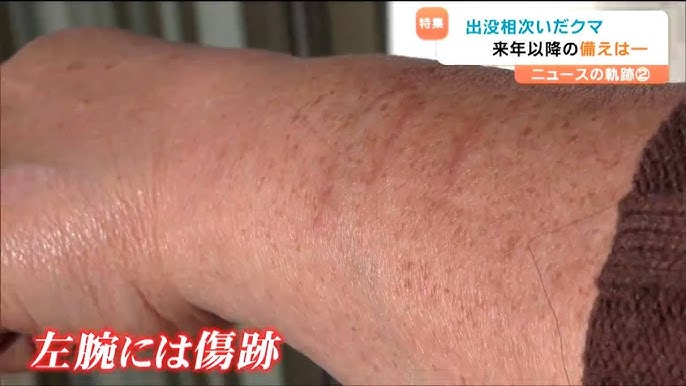
This article features the story of a woman who had a narrow escape from a bear attack in Japan. Despite surviving the frightening encounter, she continues to face significant aftereffects that pose challenges in her daily life. The story delves into the circumstances of the attack, her extensive recovery process, possible preventative measures against such incidents, and their impact on the livelihoods and mental health of those involved.
In Japan, bear encounters in rural and semi-rural areas have been fairly common due to a loss of natural habitats, often leading to such unfortunate incidents. There is social empathy towards survivors and extensive discussions around improving wildlife management strategies. The government is often seen focusing on sustainable cohabitation policies, educational campaigns, and funding medical facilities for better healthcare.
In the United States, bear attacks are also reported, primarily in states with large forest covers such as Alaska and Montana. Similar to Japan, survivors often face psychological trauma, with healthcare systems supporting their rehabilitation. There is a similar focus on sustainable wildlife management and educational outreach to prevent such occurrences.